Population
1.405bn[9]
Mainland population at the end of 2025

Market · National
China is a national-scale games and esports market shaped by a large connected audience, powerful domestic publishers, mobile-led consumption, professional competition and a regulated publishing system.
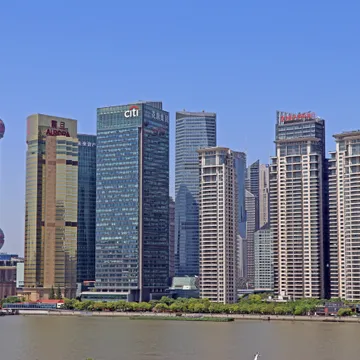
Population
1.405bn[9]
Mainland population at the end of 2025
GDP
CNY 140.19tn[9]
2025 mainland nominal GDP; real growth of 5.0%
Internet users
1.125bn[10]
80.1% internet penetration at December 2025
Games revenue
CNY 350.79bn[2]
2025 domestic games sales, up 7.68%; mainland industry scope
Game users
683m[2]
2025 industry estimate, up 1.35% year on year
Esports users
495m+[3]
2025 esports industry estimate
A sourced operational overview, not legal advice. Requirements should be rechecked before launch.
Topic
Mainland game publishing
Current position
Online games published in mainland China are subject to NPPA publication approval.[4][5]
Commercial implication
A launch plan needs to account for the approval record, licensed publishing and operating entities, product naming and the approved scope before commercial release.
Topic
Mainland imported games
Commercial implication
International rights holders entering mainland China should account for the publisher and operator structure, localization, approval timing and live-service plan.
Topic
Mainland content and operations
Current position
Network publishing rules cover content legality, information security and operating controls.[7]
Commercial implication
Compliance affects product design and ongoing operations, not only the initial launch submission. Material updates should be reviewed against the approved product and current rules.
Topic
Mainland minor protection
Current position
Real-name verification and strict play-time controls apply to minors.[8]
Commercial implication
Account systems, age controls, payment design and live operations must be planned around the national anti-addiction framework.
Topic
Hong Kong major sports events
Current position
Hong Kong's M Mark programme lists BLAST Premier Hong Kong Rivals 2026 and the 2026 LCK Cup Finals.[11][12]
Commercial implication
Assess Hong Kong event support through its local programme and event-specific criteria; mainland games-publishing approvals describe a separate operating scope.
Large domestic groups connect development, publishing, distribution, esports and advertising inventory.
Video, livestreaming, social media and mini-program ecosystems shape discovery, community and conversion.
Club value is concentrated around title-specific teams, domestic leagues, creators and city-based fan communities.
Mobile esports sits alongside established PC leagues and increasingly important cross-platform products.
Hong Kong has distinct arena infrastructure, esports organizing institutions and a major sports-event recognition programme.
Teams with a structured location relationship to this market.
Beijing is China's capital city, where its esports profile combines municipal industry support, recurring competition, and a large urban economy alongside its roles in technology and game publishing.
Changsha is Hunan's capital and a provincial centre for government, commerce, culture, transport, science and technology.
Chengdu is a city in China whose esports profile is anchored by Chengdu AG Super Play's recurring KPL home matches; People's Esports reports that more than 70% of home-match spectators came from outside Sichuan and related spending exceeded RMB150 million.
Chongqing is a city in China whose esports footprint includes the Wolves Competition and Performance Center in Bishan District and the Honor of Kings team Chongqing Wolves.
Fuzhou is the capital of Fujian Province in southeastern China.
Haikou is the capital of Hainan Province, China, located on the island's northern coast.
Hangzhou is Zhejiang's capital city in China and hosted the 2022 Asian Games, where esports made its official medal-event debut in 2023.
Hong Kong is China's Special Administrative Region and an international host market for esports, exhibitions, and live entertainment, with recent top-level competition at Kai Tak Arena and AsiaWorld-Expo.
Luoyang is a historic city in western Henan Province, China.
Qingdao is a coastal city and major port in Shandong Province, China.
Sanya is a coastal city and tourism centre on the southern tip of Hainan Island, China.
Shanghai is China's largest city and an internationally visible esports host market, combining a deep games audience with international competition, major exhibitions, and repeatable event infrastructure.
Taicang is a county-level city in Jiangsu Province, China, on the Yangtze River near Shanghai.
Taipei is a major urban centre in East Asia.
In China, Tianjin is the home market of SAETA, the women’s MLBB team profiled by PTG. The city government says its permanent population remained around 13.63 million in 2025.
Tongxiang is a county-level city in northern Zhejiang Province, China, known for the historic water town of Wuzhen.
Wuhan, China, hosted the Play-In and Group stages of the 2017 League of Legends World Championship.
Xiamen is a coastal port city in Fujian Province, China.
Xi'an is Shaanxi's capital city in China, with a documented professional-club connection through Team WE, which identifies its current organization as Xi'an Qujiang WE.
Work with Press The Game
Looking for media reach, industry insight or the right esports partner? Bring us your brief—we’ll help move it forward.
Related coverage
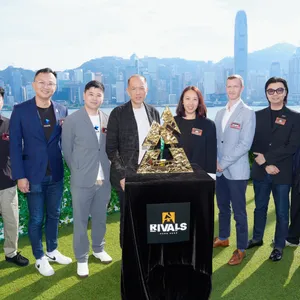
Professor Eric Yeung, JP discusses BLAST’s Hong Kong return, local production, opportunities for students and why the city needs more esports events throughout the year.
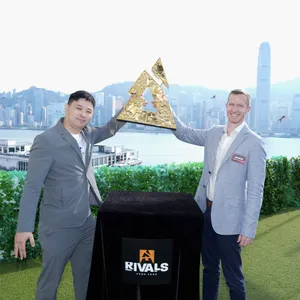
BLAST has launched its second Hong Kong Rivals edition, with eight teams and a stated USD 1 million prize pool, citing more than HKD 600 million in total economic impact from the 2025 event.
The NPPA approved 206 domestic online games and three imported titles in September, and recorded 15 changes to existing game approvals.
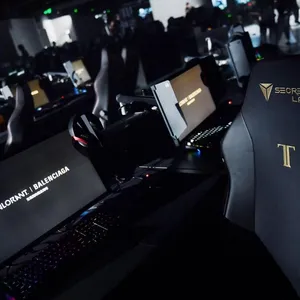
From virtual goods to a Shanghai gaming café, how VALORANT is helping luxury brands enter gaming communities and urban life.

XinSai Esports cancelled its Oct. 29–Nov. 1 XPL Luoyang event after a venue scheduling conflict, saying registered teams would keep VRS points and receive full refunds.

An official VALORANT video post presents a Balenciaga concept collaboration in Shanghai during Champions 2026, including the claimed first release of BALENCIAGA NEO FOCUS gaming glasses and a Viper digital-brand-friend activation.
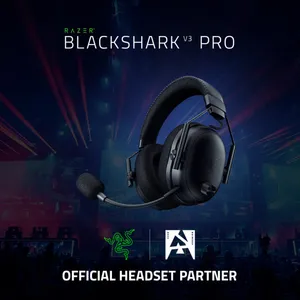
Razer and BLAST have announced a headset partnership for BLAST Premier, with Razer identifying a two-year, 12-event arrangement through 2028 and BLAST confirming the first activation in Hong Kong in November 2026.
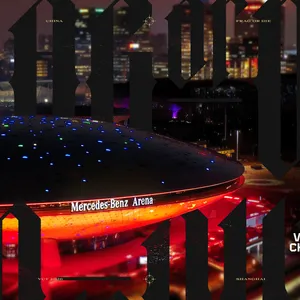
The full preview release outlines the 2026 Champions tournament in Shanghai and nearly a month of citywide brand, retail and public-space activities.
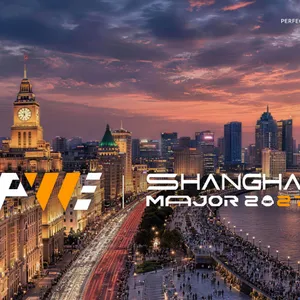
Perfect World Esports will bring the 2027 winter Counter-Strike Major back to Shanghai, with the event planned for November and December 2027.
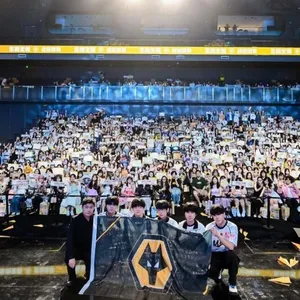
Six months after opening, Wolves’ Bishan home has averaged over 90% attendance, with 51% of ticket buyers coming from outside Chongqing, as the venue expands beyond KPL match days.
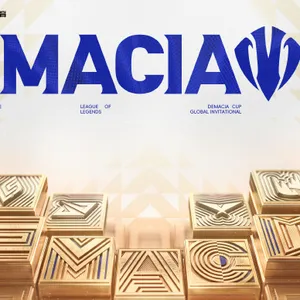
The 2026 Demacia Cup will become a Global Invitational from October 3 to 17, featuring 12 top-ranked teams from the LPL, LCK, LEC, LCS, LCP and CBLOL regions that did not qualify for the 2026 World Championship.
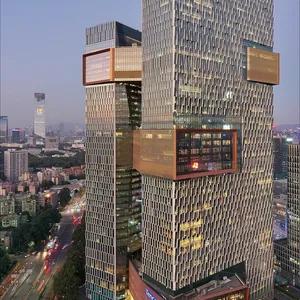
Tencent says Weixin Mini Games now reach 500 million monthly players, with more than half arriving through chats, search and other built-in Weixin entry points.
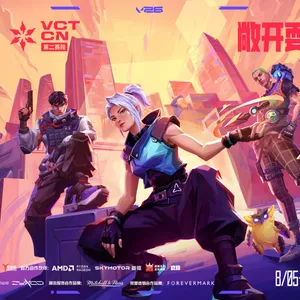
The V26 VALORANT Tour Chengdu stop and 2026 VCT CN Stage 2 playoffs run from August 5 to 23, combining a two-stage playoff schedule with city activities and live broadcasts.
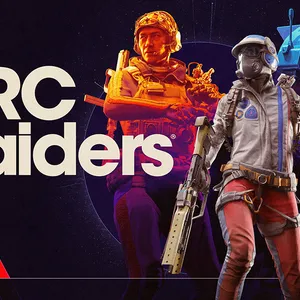
Record MapleStory revenue and ARC Raiders' growing contribution show Nexon's global publishing strategy beginning to reshape its revenue mix.

Esports Foundation COO and Deputy CEO Mike McCabe recounts an eight-week relocation to Paris and discusses integration, the Club Championship and China.
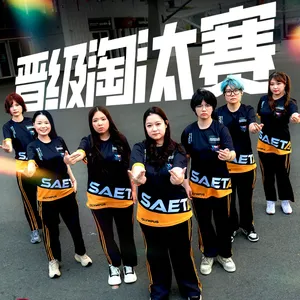
SAETA's historic MWI quarterfinal exposed both the growing competitive promise of women's esports and the structural gaps still holding its players back.

From WCG and the FIFA Interactive World Cup to FC Pro, FIFAe, eFootball, Rocket League and Football Manager, football esports has split into multiple paths.
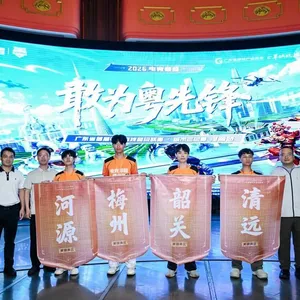
One year after Guangdong's games and esports policy package, coordination, city identity, event consumption and talent programs are beginning to connect the industry chain.

Platform coordination, content design and years of emotional investment explain how NiKo's first Chinese stream drew 2.62 million views and 350,000 new followers.
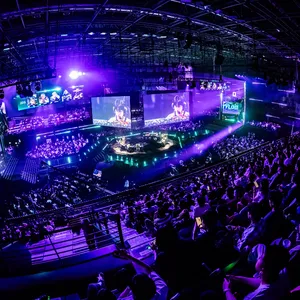
From Guangzhou and Hangzhou to Beijing, the tour places competition, publishing, cities, clubs, players, media and fans inside one system.
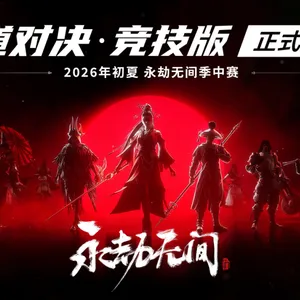
NARAKA: BLADEPOINT's Martial Artist Duel · Competition format strips away resource collection and puts hero, weapon and lineup strategy at the centre of its Asian Games ruleset.
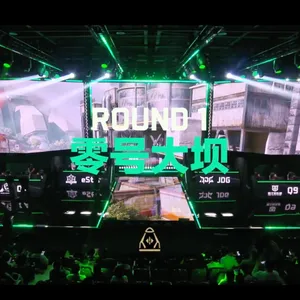
Delta Force's first professional league is testing how the search, fight and extract format can become a professional esports competition.
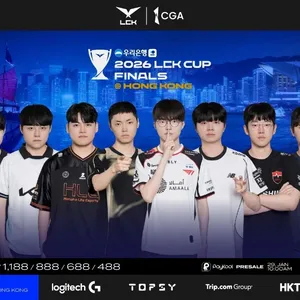
LCK's first official competition outside South Korea raises questions about its financial pressure, global audience and overseas ambitions.
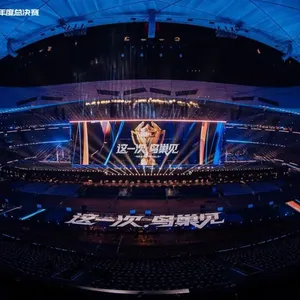
KPL's 2025 city programme generated more than RMB100 million in offline ticket sales, connecting finals, club homes and tourism partnerships with urban venues and consumption.

From the LPL All-Star Winter Festival's care packages to year-round public-interest projects, how esports connects players, clubs, partners and fans through social responsibility.
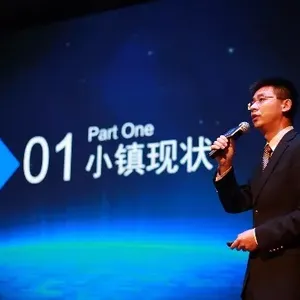
In 2018, Taicang official Wang Yongjian recalled how public support for PLU and the LPL helped turn the city into an esports base next to Shanghai.
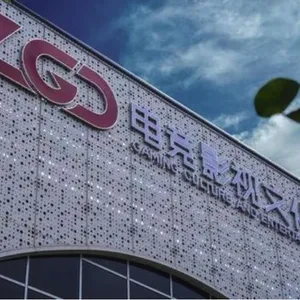
In the 72 hours before LPL's first true home match, LGD's youth team, Tencent's broadcast crew and its merchandise store faced first-time tests in venue operations, live production and fan management.
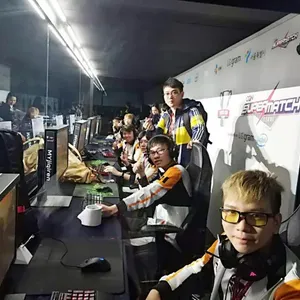
MY's Overwatch results failed to create sustainable revenue. Its 2017 partial pivot exposed how weak tournament and streaming economics constrained a small club.
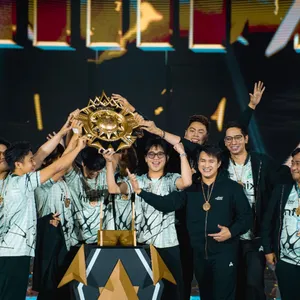
M7 drew 5.68 million peak concurrent viewers as Mobile Legends: Bang Bang paired Indonesia’s mature club ecosystem with a five-region plan for global growth.