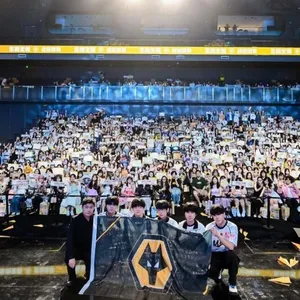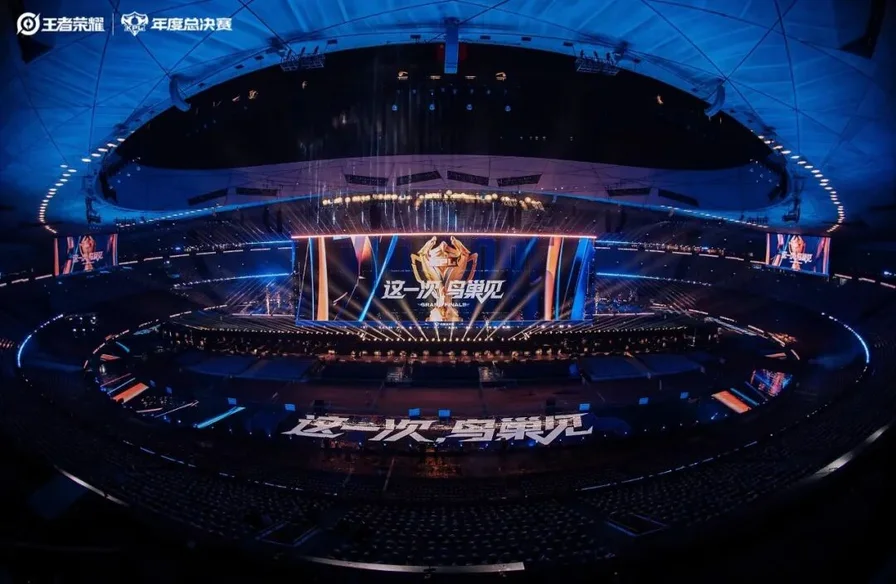
When 62,196 spectators gathered at Beijing National Stadium—the Bird’s Nest—to watch the 2025 King Pro League (KPL) Annual Finals for Honor of Kings, a Guinness World Record was set. More than 85% of the audience had travelled to Beijing from elsewhere for a single match. As esports connected a venue with two Olympic legacies to central business districts and tourism destinations, mobile esports in China was moving beyond online entertainment and into the city’s core public spaces.
With 139 million daily active users for the domestic version of Honor of Kings and 260 million monthly active users worldwide, KPL has spent the past nine years building a mature, tiered professional esports ecosystem. It has grown into one of the world’s largest and most influential esports systems by audience. In 2025, KPL’s offline events generated more than RMB100 million in ticket sales and drew over 330,000 spectators. Total attendance for KPL events in China was surpassed only by the Chinese Super League and the CBA, and matched the WTT.
As its competition system has developed, KPL’s role has also changed. It is no longer simply a concentration of online content or a series of one-off event stops. By coordinating competition dates with club home venues, it continues to extend into physical spaces and connect more directly with public areas, consumer settings and cultural life.
From national sports landmarks to central urban districts, and from a single live match to cross-city travel, tourism spending and city branding, KPL is following a clear path of urban engagement. As it approaches its tenth anniversary, the league—already at the “peak of esports”—is moving toward the “heart of the city” and expanding across China. Its experience offers a real-world case study of how esports can become deeply embedded in a country’s urban map.
Beijing’s Bird’s Nest: Top Esports Enters the Urban Core
“Top-tier competition” describes competitive quality and commercial scale. The “urban core” points to a deeper logic of how a city functions: it is not only a geographic centre, but also a symbolic space where national image, public space and collective memory overlap. The Bird’s Nest is distinctive because its symbolic value reaches beyond that of an ordinary venue. It is a public landmark that carries national narratives and the spirit of the city.
Choosing the Bird’s Nest for the 2025 KPL Annual Finals sent a clear signal. As one of the world’s largest mobile esports leagues by audience, KPL has reached a level of event scale, operations, commercial volume and public impact that allows it to enter a national-level venue. To some extent, bringing KPL to the Bird’s Nest represents the natural connection between mobile esports, once it reaches a certain stage of development, and the city’s core public spaces.
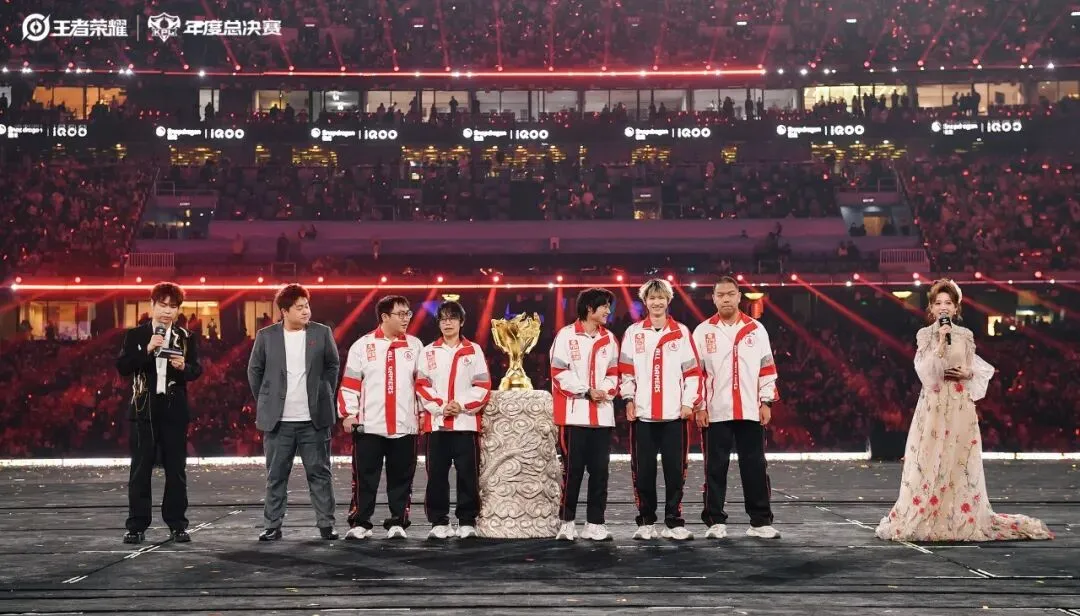
The event’s results support that assessment. The 2025 KPL Annual Finals generated more than RMB30 million in ticket sales, ranking among the top three large-scale sporting events in China that year. It drew 62,196 spectators, including 53,115 from outside the city—more than 85% of the crowd. The final was more than a competition: it had become a destination event with the power to draw people across regions and activate city spending. Fans travelled internationally from Malaysia and Australia, while groups came across provinces from Xinjiang and Hainan. Together, they created a wave of spending around the idea of “travelling to a city for one match,” turning esports attention into a tangible source of urban activity.
To maximise the event’s value, KPL brought together nearby hotels, guesthouses, tourist attractions and restaurants. It created second-screen watch sites and encouraged businesses to extend their opening hours, using “esports plus” to connect culture, tourism, commerce, sports and exhibitions. This built an “esports economy circle” across consumer settings and helped convert event attention into commercial activity.
The systematic use of ticket-linked offers was central to that approach. Around the final’s tickets, the event created a benefits network covering accommodation, dining, retail and leisure. Ticket holders could receive accommodation discounts at nearly 10 hotels and offers from more than 200 restaurants, retailers and leisure brands. This connected “watching, spending and experiencing” into a continuous city journey and formed a cycle from event attraction to audience spending and merchant conversion.
The figures also point to the model’s effect. During the 2025 KPL Annual Finals, hotel bookings in the Bird’s Nest and Olympic Sports Center area ranked second across Beijing, up 143% from the same period a year earlier. Group-buying orders in nearby commercial districts—including Asian Games Village, the National Indoor Stadium and Beiyuan—rose 77% year over year, while sales value grew 114%. Restaurant orders increased 91% and sales value rose 177%, creating an atmosphere in which the event drew crowds and commercial districts benefited.
Some 89.38% of out-of-town spectators said the event had prompted them to spend on food, accommodation, transport, sightseeing, shopping and entertainment in Beijing. The resulting uplift in spending across these six tourism categories reached RMB369 million. The event’s direct economic impact was RMB429 million, up 41.8% from the prior year.
Over a longer horizon, KPL’s arrival at the Bird’s Nest means more than short-term economic growth. The public venue, which carries memories of the Olympics, has gained a contemporary use through esports. While retaining its public role, it has gained a way to connect with young audiences through continuing content. When esports enters a city’s core, it brings more than attention and consumption: it can reactivate the value of public space and open up new possibilities for the future.
Building Across China: KPL’s Many Paths for “Esports Plus”
As one of China’s earlier professional esports leagues to pursue regionalisation systematically, KPL has not treated city partnerships as simple tours or temporary event stops. It has gradually built durable connections suited to different cities’ roles and resources. By differentiating its approach across core cities, club home cities and tourism destinations, KPL has widened the ways esports connects with cities and extended the league’s influence into more physical spaces.
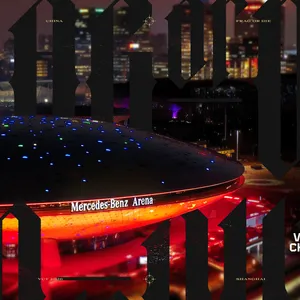
At the level of core cities, KPL puts greater emphasis on coordinating events with the industry ecosystem, and Shanghai was the starting point for that approach. Since KPL began its professional operations in Shanghai in 2017, the city has provided an important base for the league, with a mature cultural and sports industry, commercial infrastructure and a steady concentration of young consumers. In 2020, KPL introduced a full home-and-away system based on regional identities. Shanghai was among the first core cities to host a home team, establishing the link between a city and a team. In February 2025, the KPL Esports Center in Huangpu District opened as the permanent home venue in Shanghai. More than 110,000 spectators attended KPL events there during the year, including the Challenger Cup; this was the highest attendance for esports events in Shanghai. A steady supply of events has made esports a regular part of the city’s cultural consumption, while drawing event operations, content production and venue management into the city and accelerating Shanghai’s ambition to become a “global esports capital.”
In club home cities, KPL focuses on connecting competition more deeply with urban life. With Chengdu AG Super Play at the centre, Chengdu has developed a stable home-match culture and extended it into a tourism model under the slogan “Follow esports to Chengdu.” More than 70% of spectators at Chengdu home matches came from outside the province, and related spending totalled more than RMB150 million. Through ongoing home-match operations, esports has become a recurring part of the city’s night-time economy and young people’s cultural lives, rather than an occasional event.
In tourism destinations, KPL has explored ways to combine competition with travel spending. The 2025 Honor of Kings Challenger Cup final and the annual Peak Night were both held in Sanya, creating a continuous programme that combined professional competition with a year-end celebration. Together, the two activities attracted more than 10,000 in-person participants and generated over 50 trending topics across platforms, 34 of which reached Weibo’s trending list. With multiple watch sites, links to urban spaces and a drone show, the events became part of Sanya’s tourism experience and brought esports into the city’s image in a more open, accessible form.
KPL’s regional work has also reached industrial towns in a more experimental way. Puyuan in Tongxiang, Zhejiang, a traditional centre for the knitwear industry, integrated esports content into the renovation of its historic town and the operation of its commercial streets. During the event, esports became an important source of activity in public spaces and a way to attract young consumers. It also gave the area practical experience in combining esports with industry and town-centre renewal.
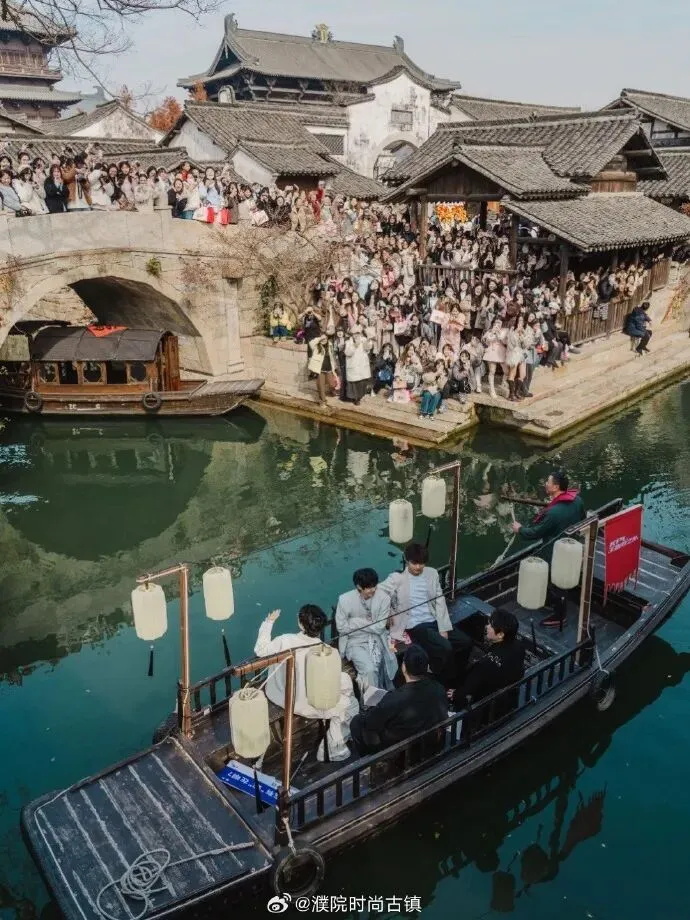
From industrial clustering in Shanghai to home-match culture in Chengdu, tourism integration in Sanya and a town-centre experiment in Puyuan, each city has followed a different path. They share one central logic: place esports events in suitable urban spaces, turn them into content that can be used repeatedly and operated over time, and gradually embed them in the city’s operations and cultural life.
Approaching the Tenth Anniversary: A New Phase of Long-Term Growth
In nine years, KPL has done more than expand in scale. It has built a regional partnership model suited to different city roles and capable of being replicated and iterated. The maturity of that model gives KPL a strong base for longer-term growth and wider city coordination as it reaches its tenth anniversary.
The 2026 competition plan further indicates that KPL’s regional model has reached a mature stage of stable operations. In April, the spring-season final will be held in Haikou, extending the momentum behind esports and tourism in Hainan. From April to May, the 2026 Honor of Kings Challenger Cup will begin its early stages in Beijing and conclude in Shanghai. The two-city structure is intended to broaden the competition’s influence; its prize pool will increase to RMB10 million, and an annual points system will be added, making the Cup a key link between the league’s spring and summer halves. In September, the summer-season final will head to Xiamen, opening up an emerging esports market in southeastern China. In November, the annual final will return to Chengdu to close out the tenth-anniversary programme.
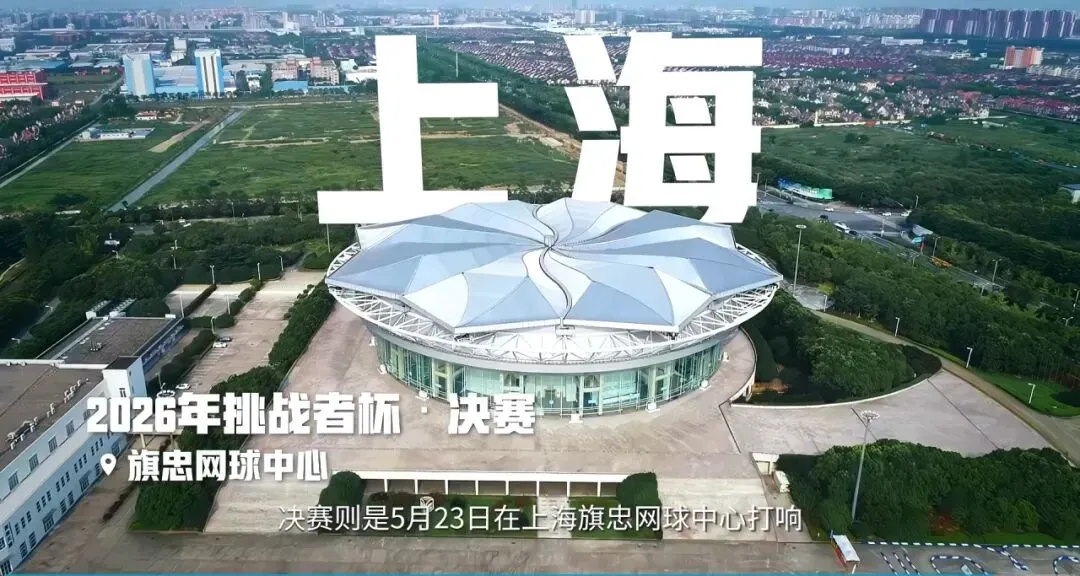
More importantly, what KPL demonstrates at its tenth anniversary is not only the growth of one league, but a regionalisation method that has been tested in practice. It shows that esports need not be a fragile form of content dependent on short-term traffic. With clear rules and a long-term operating framework, it can build a stable, mutually beneficial relationship with city development as a modern sports and cultural form.
As the international version of Honor of Kings (HoK) continues to expand around the world, KPL’s experience in city partnerships and event operations is also becoming an important example of Chinese esports exports. At the start of its tenth anniversary, KPL has moved from the “peak of esports” toward the “heart of the city.” With a more mature and stable model, it is offering the global esports industry a path to long-term development.