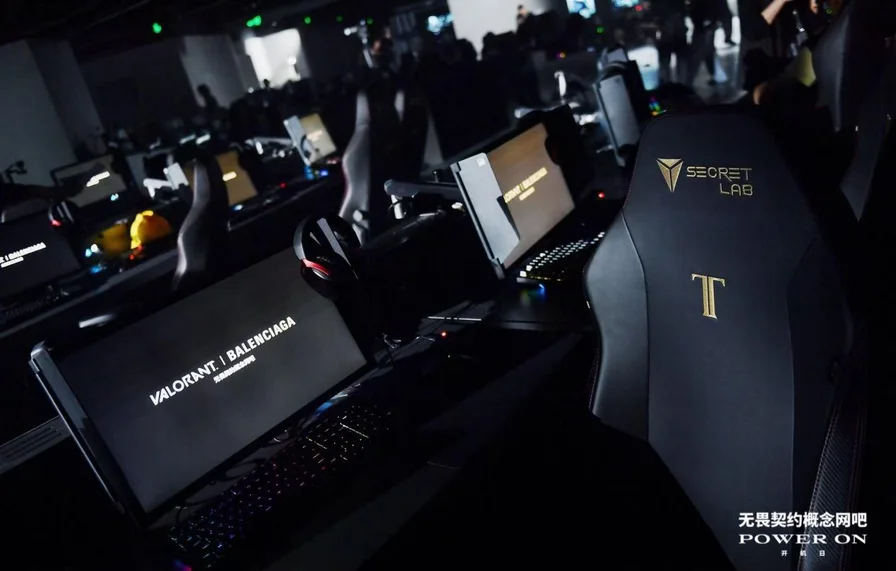
On September 24, VALORANT Champions Shanghai 2026 opened in Shanghai. The same day, a concept gaming café created by VALORANT and Balenciaga announced that it was open.
The café has several areas, including a competitive gaming zone, a Champions trophy display, a viewing area and a couture equipment library. After players log into their accounts, the computers generate personal identity cards displaying their game IDs and ranks. Visitors can try the 2026 Champions bundle for a limited time in the gaming zone. At scheduled times, streamers and cosplayers also take on the role of “manager for a day” and meet players in person.
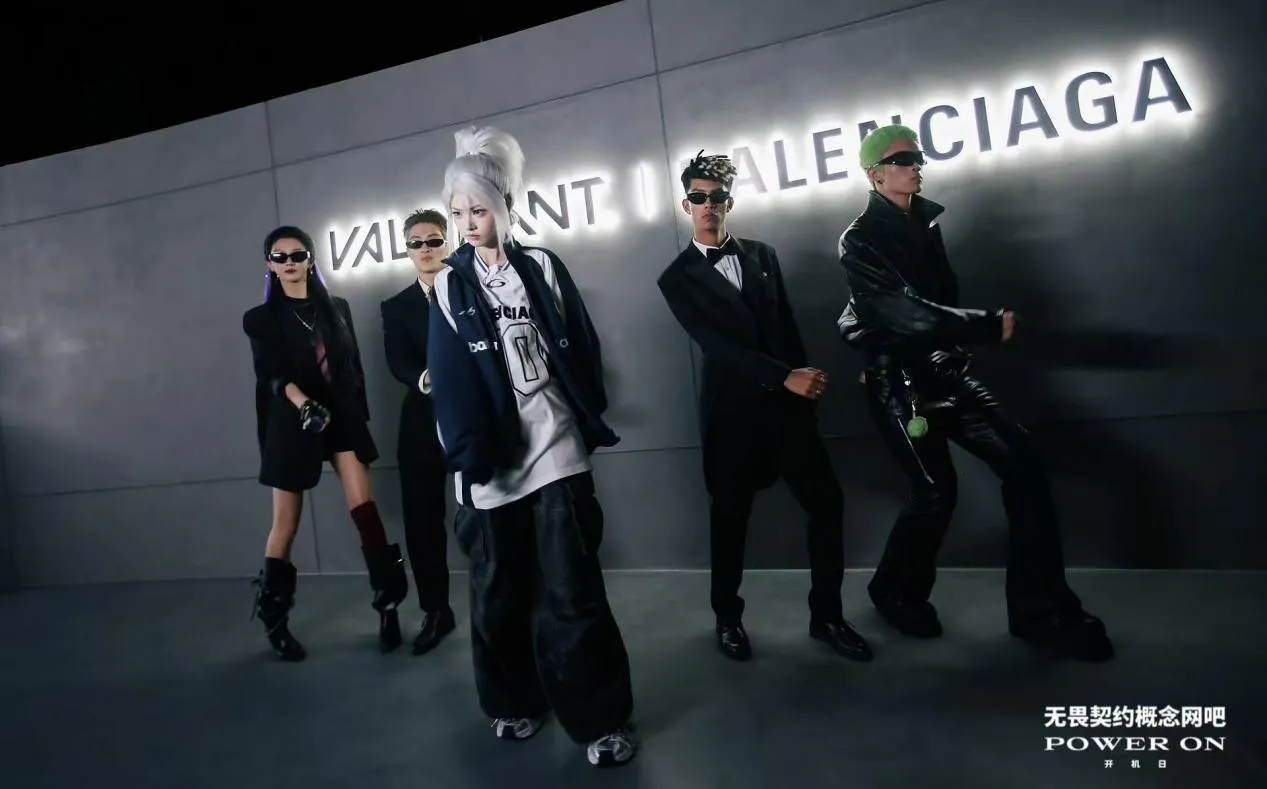
Balenciaga’s own brand content is built into the experience. The company announced BALENCIAGA NEO FOCUS, blue-light-filtering glasses designed for gaming, during the collaboration. Viper, a VALORANT agent, became Balenciaga’s first digital brand friend.
That makes this partnership different from the familiar ways luxury brands have entered esports. After a period of contraction, luxury brands such as Balenciaga and Aston Martin have returned to the esports conversation in 2026. Their partnerships are moving beyond simple exposure toward characters, products and physical spaces.
Why are luxury brands returning to esports?
Placed alongside Balenciaga’s gaming activity over the past several years, its collaboration with VALORANT looks less like a sudden crossover and more like a continuation.
In December 2020, Balenciaga created its own video game, Afterworld: The Age of Tomorrow, for its Fall 2021 collection. Players could guide an avatar through a city, forest and mountains in 2031, while other characters in the game wore that season’s Balenciaga designs.
Less than a year later, Balenciaga announced a partnership with Fortnite, becoming the game’s first luxury fashion partner. The two sides released in-game outfits, a virtual Balenciaga store and physical clothing. The clothing models used in the collaboration were not entirely rebuilt from scratch; 3D data and models of real products were adapted for the game world.
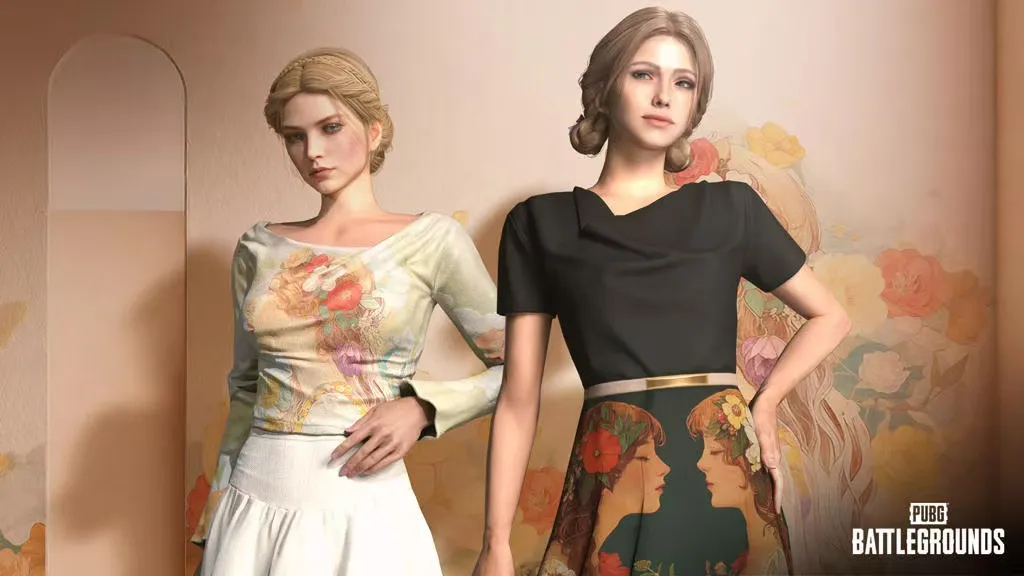
That path continued. On November 14, 2025, Balenciaga announced another collaboration with PUBG and PUBG MOBILE. In addition to in-game outfits, the partnership included physical merchandise and custom apparel for tournament champions. The Couture Armor look in PUBG MOBILE drew directly on a 3D-printed dress from Balenciaga’s 52nd Couture collection. In its official introduction, Balenciaga described the collaboration as a meeting of fashion, gaming and esports through “creativity, technology and community.”
In 2026, Balenciaga began bringing gaming culture more directly into its retail spaces. On September 15, Balenciaga and SEGA launched a collaboration collection and installed two vintage SEGA Blast City arcade cabinets at the fashion house’s Aoyama flagship store in Tokyo. One cabinet could run Sonic the Fighters, the 1996 game. SEGA’s official announcement described the installation as part of Balenciaga’s continued engagement with global gaming culture.
A week later, Balenciaga and VALORANT announced their collaboration. Unlike the partnerships with PUBG and Fortnite, this one did not focus on in-game skins. Instead, Viper became Balenciaga’s first digital brand friend, the partners introduced NEO FOCUS gaming glasses, and they opened a temporary concept café in Shanghai where visitors could actually play.
Taken together, these milestones show a clear change in Balenciaga’s gaming strategy. The House moved from making its own digital game, to entering established game IP, to converting digital fashion and physical products between worlds, and finally to helping build a real gaming space. Its participation in gaming culture has deepened at each step.
This continued investment stands out against a backdrop of cooler relations between luxury brands and esports in recent years. In early 2026, Mercedes-Benz ended its eight-year partnership with the LPL, and its logo disappeared from T1 jerseys for the new season. Corporate restructuring and cost control may also have played a part, but the departure of a long-term partner can still be read as a sign that esports has lost commercial value.
That is why Aston Martin and Balenciaga’s respective moves into VALORANT stand in such sharp contrast to the earlier retreat of luxury brands. The contrast itself has become a topic of discussion among players.
Vogue Business, which covers business trends in fashion, beauty and luxury, has argued that the latest return of luxury brands to gaming differs from earlier efforts because brands are starting to treat games as a more regular marketing channel. They are asking whether they can enter the cultural context of their target audience and whether that relationship can create lasting brand awareness and consumer demand.
For example, Aston Martin’s VCT CN partnership did not directly emphasize car sales. Instead, it connected racing with qualities such as reaction, judgment, focus, execution and composure under pressure, building a shared language of competition between motorsport and esports.
Balenciaga’s entry point is more about style and identity. Viper’s cool, dark, technology-driven image naturally fits Balenciaga’s avant-garde visual language. NEO FOCUS is a pair of glasses designed for gaming, while Viper’s abilities revolve around poison, obstruction and control of sightlines. More broadly, VALORANT puts considerable emphasis on giving its characters distinct personalities through clothing, color and silhouette. A Riot producer has even described weapon skins as “digital luxury goods.”
Choosing a cosmetic is a way for players to express taste and style. That is close to how fashion brands use clothes and accessories to shape personal image. Whether it is a pair of glasses, an outfit or a game skin, each can help its user answer: “What do I really like, and why am I different?”
For luxury brands such as Aston Martin and Balenciaga, whether young players can afford a car or a garment today is not the only measure of success. When a brand’s entry into esports becomes a topic of community discussion, the attention around the collaboration can reinforce its sense of scarcity and turn an expensive product into a cultural symbol people aspire to and share. These partnerships also help brands stay fresh in the context of youth culture and build additional brand value.
From sponsorship to shared experiences
In the past, a brand logo often appeared on a team jersey, livestream or tournament stage. The main goal was to be seen by as many viewers as possible. But as esports partnerships place more emphasis on participation, visibility alone is no longer enough. More brands are building spaces and making themselves part of what players actually experience.
Red Bull Gaming Sphere is an early example. Located in Shoreditch, London, the Gaming Sphere is a permanent esports venue. It has a main stage for large events, broadcast production areas and a creator studio. The facility can host tournaments, boot camps, livestreams, podcasts and content production. Since 2021, it has hosted five editions of the Red Bull Home Ground tournament.
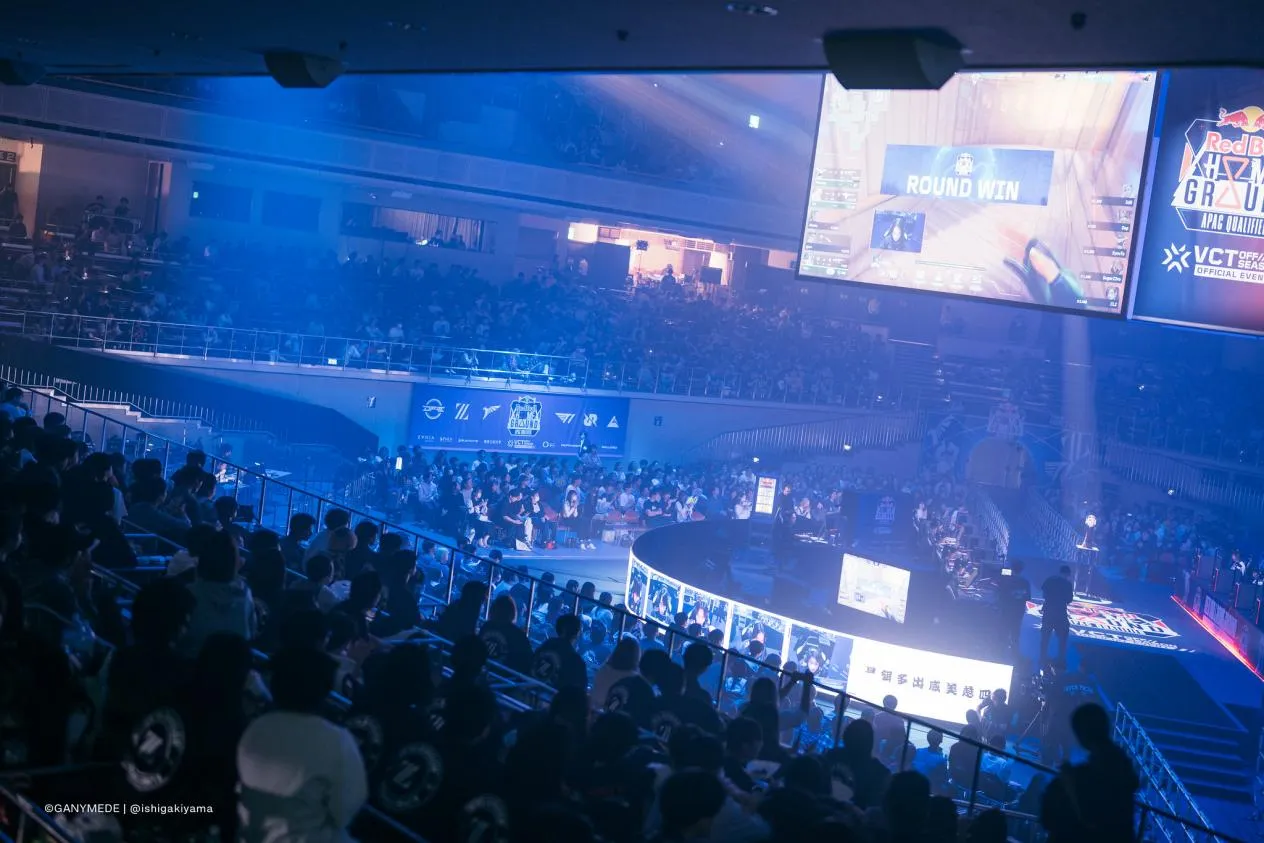
For esports fans, memories of an event are rarely made up of match scores alone. The venue they visited with friends, the event they queued for and the merchandise they brought home can also become part of the memory. When a brand has a physical space like this, it gains more than a few seconds of attention: it can become part of a shared memory of a tournament, a city or even a particular period of life.
Seen this way, Balenciaga’s concept café in Shanghai follows a similar logic. Instead of putting a brand booth beside the tournament venue, the company created another place where players can take part, try the experience and meet streamers and cosplayers. The brand becomes the setting for a specific experience.
Once brands enter physical spaces, communication does not stop when visitors leave. The Balenciaga concept café builds content creation into its programme. Professional players and creators such as TenZ, Life and Danking are scheduled on different dates as showmatch guests and “managers for a day,” meeting visitors directly. Players can photograph their gaming identity cards, match receipts, installations and interactions. Streamers and cosplayers can then carry that material back to their social platforms and share it again.
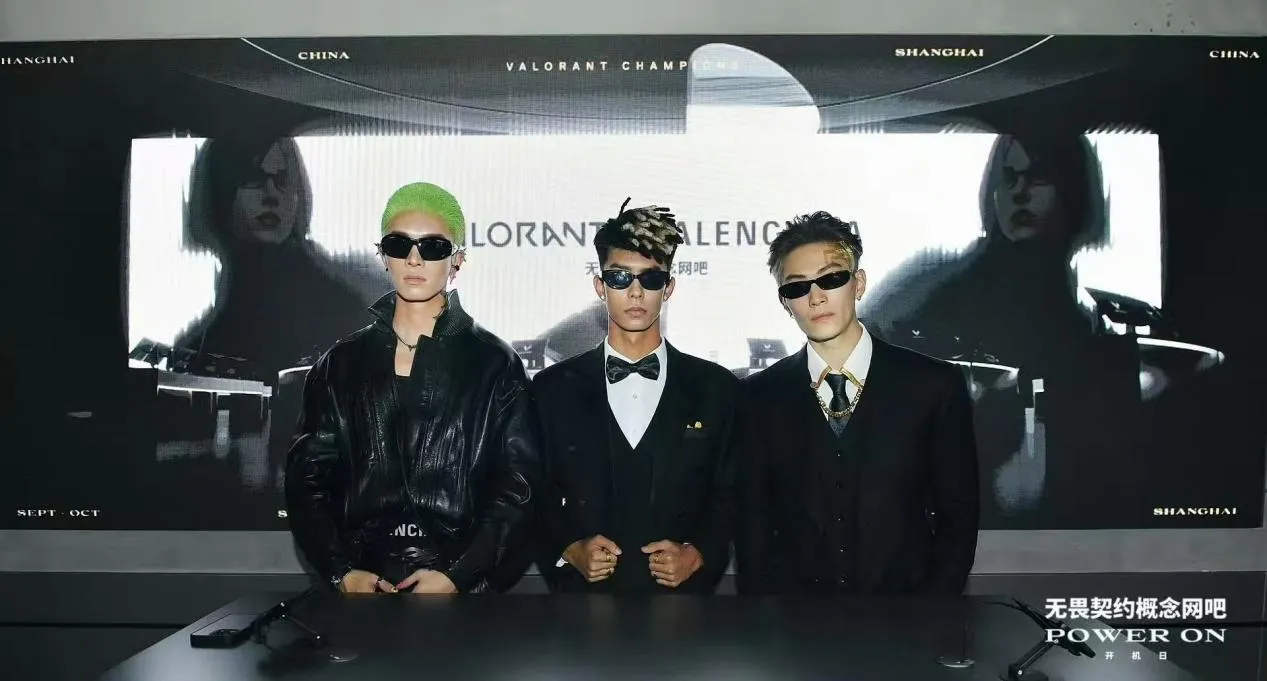
The offline venue is therefore not the end of the distribution chain. It is a new source of content: an event that can only accommodate dozens of people in person may reach a far larger audience through social platforms.
A third function of these settings is to bring esports and brands to audiences that do not entirely overlap.
The partnership between VALORANT Mobile and KFC is a direct example. Themed installations in 389 restaurants brought game content into an everyday dining setting. Customers buying set meals could receive hero laser cards, collaboration accessories and in-game items, and take part in activities such as call-and-response and bead crafting.
During Champions, VALORANT and Haidilao took this model further. Starting September 28, the partners launched a nationwide activation across more than 1,250 restaurants, including 150 themed or atmosphere locations. Customers buying selected set meals could redeem in-game player cards, sprays, gun buddies and titles. Three restaurants in Shanghai and Shenzhen also scheduled “manager for a day” appearances and Champions watch parties.
These partnerships give people who might never visit an esports arena a way to encounter VALORANT. Esports, in turn, brings younger users into existing consumer spaces. Both sides can expand their reach and commercial growth opportunities.
Why VALORANT?
From its design, VALORANT has had a body of cultural content that can travel beyond match results. Its characters, skins, art, animated shorts, music and tournament visuals form a recognizable system. For a brand, this means a partnership does not always need to revolve around a team, player or tournament; it can connect directly with a character or the game’s world.
In China, the “VALORANT Tour” also carries partnerships into different cities alongside competition. Brands can redesign their touchpoints around each city’s consumption habits, neighborhood character and cultural resources.
The Chinese retailer JD.com is a representative example. In Hangzhou, it launched a “Play VALORANT OOTD” pop-up, bringing esports equipment, player fashion and an in-person gathering into the city’s already strong trend and retail scene. In Changsha, JD MALL became a stop on the CITYPASS city check-in route, alongside local destinations such as Sifangping Night Market, Huogongdian, Mengzhong Barbecue, Shengxiangting and Bobby Ice Cream. Together, they formed a route for players through the city.
At the Shanghai Champions event, the model expanded into a city experience assembled by multiple brands. On social platforms, some players have already arranged a visit to the Balenciaga concept café, the Champions venue and the Haidilao collaboration in a single day.
That could serve as a snapshot of this Shanghai programme. During Champions, Manner Coffee and venues such as Speak Low joined themed activities. DOE and POP MART introduced collaboration content; commercial spaces including Joy City and REDLAND set up themed experiences; and Qiantan Leisure Park opened a Sage-themed garden. From October 16 to 18, Shanghai will also host a large player party with a 10-meter character sculpture and interactive installations.
As these brands and city locations are connected, the partnership extends into dining, shopping and tourism. The official programme describes it as an esports culture experience route covering the city.
Viewed individually, these are a series of brand collaborations. Placed within the same Champions tournament, the same IP and the same city, they begin to form a continuous path through daily life. Players encounter VALORANT again and again while gaming, watching matches, eating, shopping and socializing. Brands in turn keep appearing in those everyday settings.
That may be why more brands choose VALORANT. It offers more than a chance to be seen by young people: it gives brands a way to take part in their lifestyles. After the matches end, people may remember more than a single collaboration or event. They may remember an experience, a city and a stretch of life shared with friends who care about the same things.