A returning tournament gives a host city something to build on. For Professor Eric Yeung, JP, Founding President of the Esports Association of Hong Kong, China, the next question is how to attract more events—and how local companies, students and players can take part.
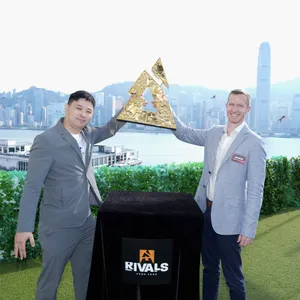
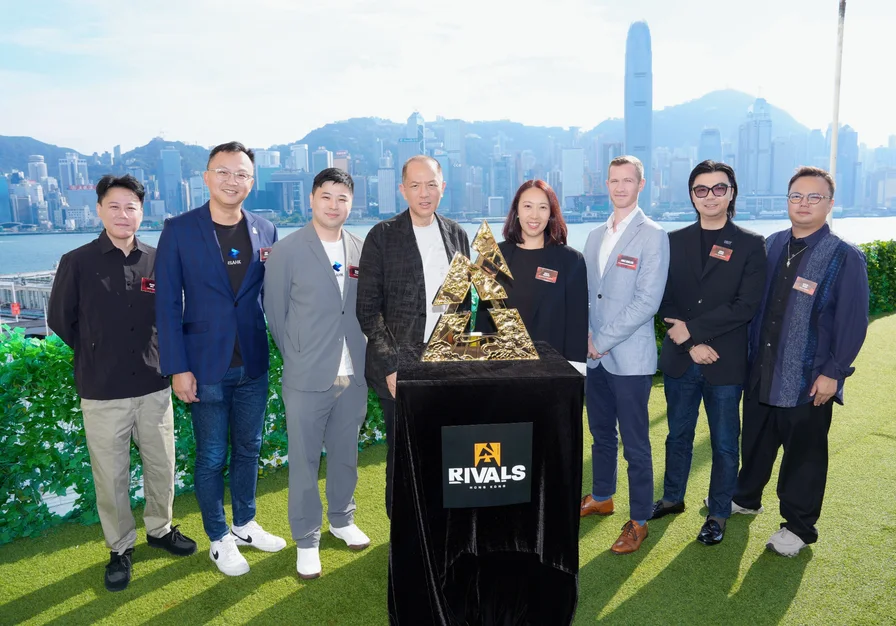
BLAST has confirmed that BLAST Premier Rivals Hong Kong 2026 will run on November 11–15, with eight Counter-Strike 2 teams and playoffs in front of a live audience at AsiaWorld-Arena, part of AsiaWorld-Expo, on November 13–15. The organizer’s October 8 announcement also confirms renewed M Mark recognition, following the 2025 Hong Kong edition. PTG’s earlier report covers the announcement and the reported tourism and audience figures.
In this interview, Yeung discusses what the return means for Hong Kong, why international competition feels different from an exhibition, and how a more regular calendar could support the local industry. His ambition extends from attracting major events to developing local leagues and selecting local players for competition.
This interview has been edited for clarity from the supplied Chinese transcript; the English answers are translations.
What a second edition means
PTG: You have seen Hong Kong’s esports industry develop over the years. What does BLAST returning for a second year mean to you?
Eric Yeung: The first edition meant a lot to us. They had never been to Hong Kong, and we hoped the city would give them a chance to try something new. Coming back for a second year shows that they were happy with the response and felt they had achieved what they wanted to do.
When we speak with our partners, they see Hong Kong as a gateway to audiences in the Greater Bay Area and the wider mainland Chinese market.
With a game such as CS2, teams from Europe and Russia have traditionally been strong, and much of the fan base has been in Western countries. Our partners told us that the previous event helped them reach wider audiences in Asia and across the Asia-Pacific region.
I think it benefits both sides. Hong Kong and the Asia-Pacific region already have plenty of fans of this game; previously, these competitions were not being held here.
Holding the event for a second year helps bring together more local and regional audiences. We have always wanted to attract more large events to Hong Kong so that we can further develop the local esports industry.
PTG: How does BLAST differ from earlier esports events held in Hong Kong?
Yeung: First, the scale is larger. We have organized many competitions in different games, but many of the earlier events were closer to exhibitions. They could still be intense, but the nature of the competition was different.
Here, the competitors are playing for substantial prize money and sporting honours. The competition is intense. I was at the final of the previous edition, and the atmosphere was different from an exhibition match.
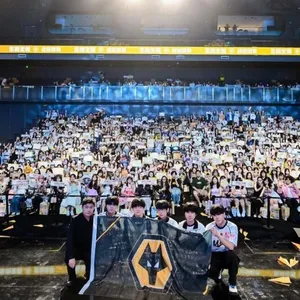
The venue is another factor. Having so many people together in a large arena creates a very different experience from watching online at home.
Hong Kong also attracts spectators from outside the city. More than half came from elsewhere, including the mainland and other places. That means the event can contribute to tourism and the wider economy as well as esports.
What stays with the local industry
PTG: Bringing a tournament to Hong Kong is one thing. What does it leave behind for the local industry?
Yeung: We should not see this as simply a competition taking place in Hong Kong. The preparation takes more than half a year.
Some of the funding requirements mean that we have to hire local workers and local companies to take part in producing the event. Local people were involved throughout the previous edition.
This year, we will again work with local production teams, and we will also work with universities. For example, The Education University of Hong Kong has a master’s programme related to esports. We will work with them so students can come here, exchange ideas and potentially take part in internships.
That gives them a platform to participate and gain practical experience. They are our industry’s future workforce.
We also want activities for the community. These might include exhibition matches and opportunities for people who are not already core esports fans to join in, with a carnival atmosphere.
We want both dedicated fans and the general public to be able to attend and experience it. The aim is to give different parts of the industry an opportunity to participate.
More major events, more local opportunities
PTG: Does hosting BLAST raise your expectations for the events Hong Kong should attract next?
Yeung: We hope to have more events, and larger ones. If we continue bringing in major competitions, we want them to be top-tier: world championship finals or competitions at that level. That is also our association’s goal.
PTG: What about other games?
Yeung: There are many games with world-class competitions, but we have to compete to bring them here. Nearby regions and cities are trying to attract the same events. There are only so many of these events, and we have to compete to host them.
I am also glad that the government provides support through M Mark to help us bring these events to Hong Kong.
PTG: Hong Kong has shown it can host these competitions. What is needed in the next stage if it wants to become an esports hub?
Yeung: We need to take it step by step. Hong Kong needs more events like these. At the moment, there are only one or two a year.
An event can take more than half a year to prepare. If we have two or three, or three or four, we can keep building experience across the year.
Hong Kong has plenty of good venues for major events. Kai Tak has opened and can host major events. The city is also well served by infrastructure and tourism facilities, including hotels. I hope we can attract more competitions to support further development.
As those events help the industry grow, we also want to move towards the next step: can we have our own local leagues, or more local competitions?
More events can also help us develop local leagues and select the best players to compete. As the number and scale of events increase, I believe that can help the local industry grow.