Population
341.8m
Estimated population on 1 July 2025 from the US Census Bureau.[1]

Market
The United States is a global games and esports market with the world's largest national economic base, high broadband reach, major publishers and platforms, and a deep commercial rights ecosystem.
Population
341.8m
Estimated population on 1 July 2025 from the US Census Bureau.[1]
Broadband reach
91.0%
Share of households with broadband internet subscription during 2020–2024 in Census QuickFacts.[1]
Games-industry GDP contribution
$65.5bn
2025 GDP contribution reported by the Entertainment Software Association's 2026 economic-impact report.[2]
GDP
$30.77tn
2025 GDP in the World Bank US data profile.[3]
A sourced operational overview, not legal advice. Requirements should be rechecked before launch.
Topic
Platform and publisher scale
Current position
The US hosts major publishers, platforms, esports operators and rights holders that serve both domestic and global markets.[4][2]
Commercial implication
A market plan should identify whether the objective is US consumer reach, global publishing access, technology partnership, media rights or live-event inventory.
Topic
Broadband and digital reach
Current position
Census QuickFacts reports broadband subscriptions in 91.0% of households for 2020–2024.[1]
Commercial implication
Online products and digital competition can be planned for broad national reach, while state, platform, age and product-specific requirements still need separate review.
The United States contains a dense concentration of global publishers, platform owners, technology companies and media-rights counterparties.
US clubs, leagues and franchise properties connect national sponsorship and media markets to global esports competition.
The market spans console, PC, mobile and live-service ecosystems with global rights and sponsorship inventory.
Teams with a structured location relationship to this market.
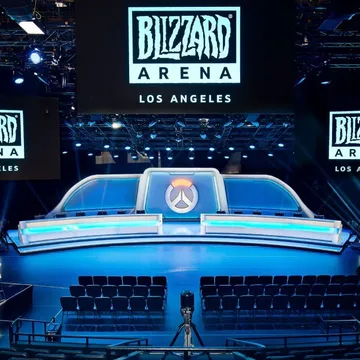
Burbank is a Los Angeles County media-production city whose esports relevance is tied to its studio infrastructure and the former Blizzard Arena broadcast venue.
Las Vegas is a destination-event market where esports uses the city's convention, resort and arena infrastructure for large competitive weekends, including Evo and the Call of Duty League Championship.
Los Angeles is a publisher, game-development and competitive-entertainment market anchored by Riot Games' headquarters, the Riot Games Arena, and an expanding international event calendar.
Philadelphia is a sports-and-entertainment market with an esports legacy in the Fusion Arena project and an operating environment shaped by large-event readiness across the South Philadelphia sports complex.
Work with Press The Game
Looking for media reach, industry insight or the right esports partner? Bring us your brief—we’ll help move it forward.