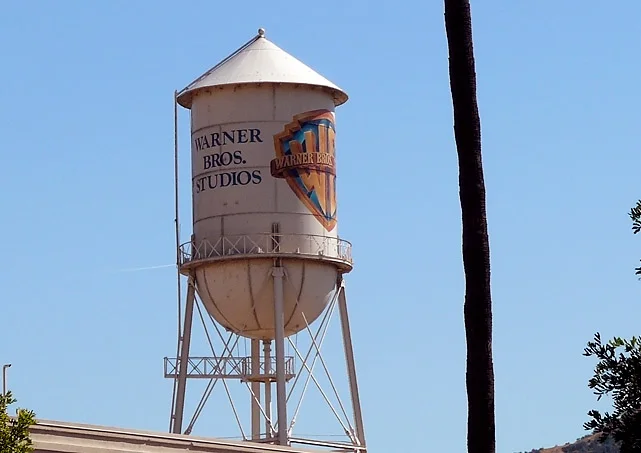
Skydance completed its acquisition of Warner Bros. Discovery on October 6, bringing the media company’s games business into the combined group. Skydance’s announcement says WBD shareholders received USD 31.01666668 per share in cash. The combined company is named Skydance, its Class B shares began trading on the New York Stock Exchange under SKYD, and WBD shares ceased trading on Nasdaq. The transaction gives the United States-based company control of Warner Bros. Games alongside its existing games operation.
Warner Bros. Games’ own announcements identify NetherRealm Studios with Mortal Kombat, Avalanche Software with Hogwarts Legacy, Rocksteady Studios with DC’s Batman: Arkham, and TT Games with LEGO titles. Together, those studios and franchises show the breadth of the development and publishing portfolio now under Skydance.
In a separate October 6 board announcement, Skydance named former Activision Blizzard CEO Bobby Kotick an independent director. Its SEC filing records that the board approved his appointment on October 4, effective at the October 6 transaction close, and that he will serve on the Nominating and Governance Committee. This is a group board appointment; the disclosure does not appoint him to run Warner Bros. Games.
The group’s October 5 leadership announcement assigns chairman and CEO David Ellison responsibility for long-term strategy, creative direction, technology and capital allocation, while co-CEO Ynon Kreiz handles day-to-day management and integration. For games operations, Variety reported, citing an October 6 staff memo, that Paramount and WBD’s games and experiences teams will be combined under Tony Driscoll as president of games and experiences, bringing Paramount Games Studio and Warner Bros. Games’ internal developers into one organization.
Skydance is targeting at least USD 6 billion in annual run-rate synergies within three years, mainly through technology, integration, procurement, marketing and real estate rationalization. The acquisition-completion announcement gives a company-wide target and does not allocate the savings to games; that figure alone does not establish the budget or staffing consequences for individual studios.