PTG Database Analysis
T1’s distinctive asset is the rare combination of championship credibility and multi-title, cross-market reach, giving partners both premium competitive association and broader audience access. Its League of Legends legacy, wider game portfolio and separate club- and title-level partner tiers support that positioning; the operating company also reported ₩88.6 billion in FY2025 operating revenue and its first operating profit.[5][6][7][18][19]
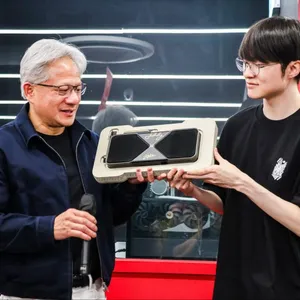
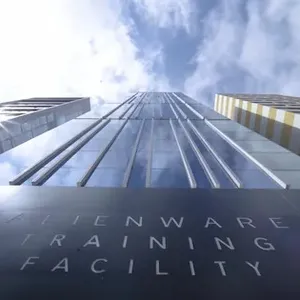
Past partnerships show how that asset can be activated beyond logo placement. Samsung integrated Odyssey monitors into T1’s Seoul training environment and connected the partnership to player access and fan promotion. BMW used T1 in the cross-market “Heroes of Rivalry” manga campaign, while Red Bull made T1 the anchor of a Berlin invitational against European teams. These examples demonstrate three repeatable formats: product-in-use credibility, story-led content and live experiences.[8][9][10]
The strongest opportunities are therefore category-specific: technology can be demonstrated in the training environment; lifestyle, entertainment and media can work with players, creators and original content; and consumer brands can build around events, retail and fan participation. The critical distinction is rights scope—club or title team, game, market, player access, content channels and activation period. T1’s separate club tiers and title-specific relationships, such as Pulsar in VALORANT and Vic Team in League of Legends, provide the framework for making that distinction.[2][11]