Population
122.68m[3]
Population indicator shown in Japan's official e-Stat dashboard for August 2026.

Market · National
Japan is a mature national games market with a large domestic player base, globally influential publishers and a distinctive console, mobile and competitive ecosystem.
A sourced operational overview, not legal advice. Requirements should be rechecked before launch.
Topic
Established domestic market
Current position
CESA counted 54.75 million domestic game players in 2024, covering a mature consumer and publisher environment.[1]
Commercial implication
Market entry should be localized for Japanese language, platform behavior and established domestic expectations rather than treated as a simple translation of a global launch.
Topic
Platform and title fit
Current position
Japan's game market spans console, mobile and PC ecosystems, with domestic publishers and globally distributed franchises.[1][3]
Commercial implication
A rights, publishing or esports plan should identify the title-specific platform and partner path before committing to national scale.
Japan's market structure is anchored by globally active domestic publishers alongside international platform and publishing groups.
Japan's competitive scene includes domestic clubs, international title circuits and a growing event presence.
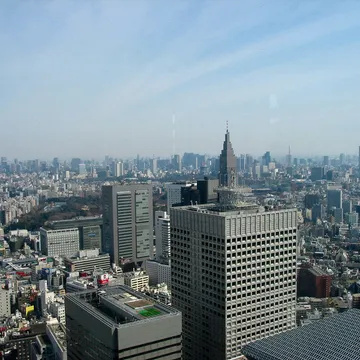
Tokyo is the primary national hub for publishers, media, events and commercial partnerships.
Teams with a structured location relationship to this market.
Chiba is the capital of Chiba Prefecture, about 40 kilometres from Tokyo, and hosts large convention and event facilities including Makuhari Messe.
Fukuoka is a city in Japan whose esports profile combines a QTnet-operated professional team with city-supported games-creator programs.
Funabashi is a city in Chiba Prefecture and part of the Tokyo Bay urban area, with LaLa arena TOKYO-BAY serving as a major indoor event venue.
Nagoya is the capital of Aichi Prefecture and one of Japan’s major industrial and commercial cities.
Osaka is a city in Japan and the headquarters location of Capcom and SNK, two Japanese game publishers.
Tachikawa is a commercial and transport center in Tokyo's Tama region, with rail links and multi-purpose event facilities that serve the western part of the metropolis.
Tokoname is a coastal city in Aichi Prefecture, Japan, known for its pottery tradition. Its Aichi Sky Expo venue hosted esports competitions at the 2026 Asian Games.
Tokyo is Japan's largest metropolitan games and media market, combining a large urban economy with publisher, club, retail, and event infrastructure across the wider capital region.
Work with Press The Game
Looking for media reach, industry insight or the right esports partner? Bring us your brief—we’ll help move it forward.
Related coverage
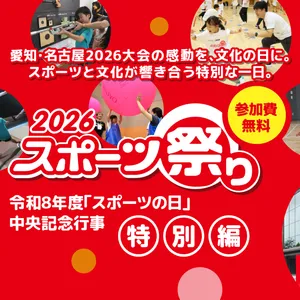
Six Japanese sports bodies included free, drop-in esports experiences in the Nov. 3 Sports Festival program at Ajinomoto National Training Center East.
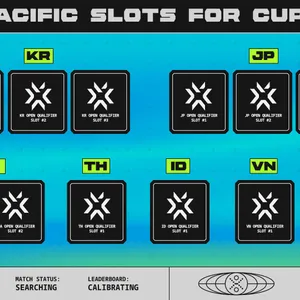
Riot's VCT Pacific 2027 format gives Korea and Japan three direct Cup places each, Southeast Asia two, and Thailand, Indonesia and Vietnam one each, with the Pacific LCQ awarding the final place.
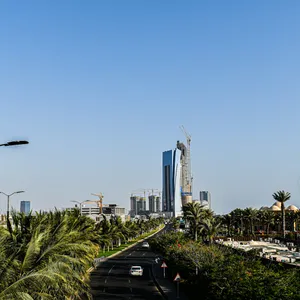
FIFA and the Saudi Esports Federation postponed the FIFAe Finals 2026, originally scheduled for Oct. 16–25 in Jeddah, after reviewing regional developments affecting the event's logistics.
FENNEL and PERSOL CROSS TECHNOLOGY announced an AI initiative to quantify in-game voice communication for coaching and player development, giving their July sponsorship a specific technology-development focus.
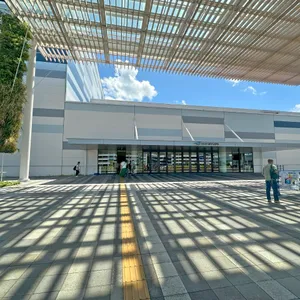
Japan's 11-year-old Yuki Kurihara beat South Korea's Kang Dong-shin 10–2 in the Puyo Puyo final at Aichi-Nagoya 2026, becoming the Asian Games' youngest medalist.
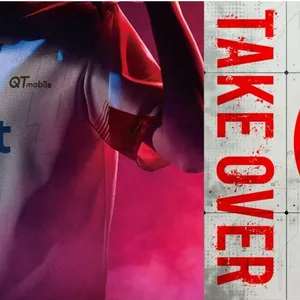
QTnet said on Sept. 25 that its esports team QT DIG∞ has a new theme song, 'TAKE OVER', with lyrics by T.N.T, the band led by Yuya Tegoshi that served as the tournament's official cheering supporter. The track began pre-release distribution on Sept. 23 after the club received the right to an original song as a supplementary prize.
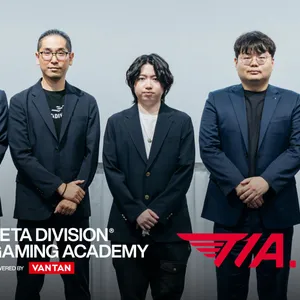
Vantan, GANYMEDE and T1 Esports Academy agreed on Sept. 17 to cooperate on esports talent development, with a first phase focused on localizing T1 methods for Japanese courses and planning a special intensive course for ZETA DIVISION Gaming Academy students.
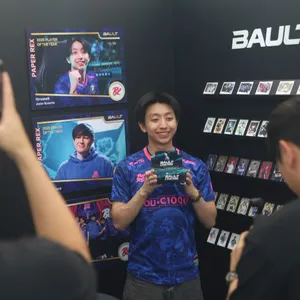
Bault’s VCT Pacific player cards sell for 9,000 won a pack, while sought-after base and autograph cards have reached hundreds or thousands of baht in fan communities.
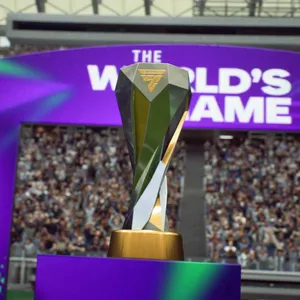
From WCG and the FIFA Interactive World Cup to FC Pro, FIFAe, eFootball, Rocket League and Football Manager, football esports has split into multiple paths.
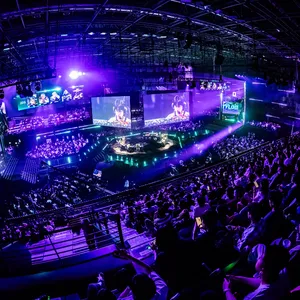
From Guangzhou and Hangzhou to Beijing, the tour places competition, publishing, cities, clubs, players, media and fans inside one system.