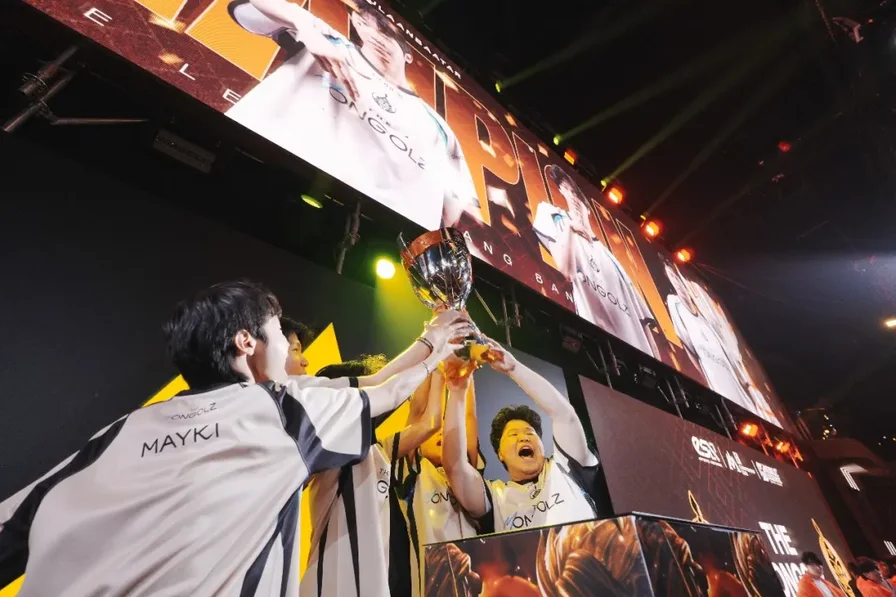
In June 2025, the Counter-Strike Major final in Austin began in the early hours of the morning in Ulaanbaatar, Mongolia’s capital. Crowds gathered in Sükhbaatar Square to watch The MongolZ challenge for a world title.
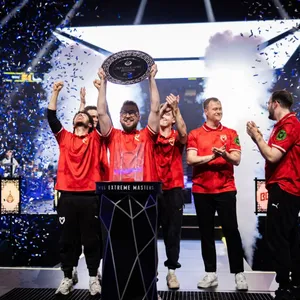
The team took the first map 13–5. Although Vitality came back to win the final, The MongolZ became the first East Asian team to reach a Counter-Strike Major final. Two months later, the roster won the Counter-Strike 2 title at the Esports World Cup and reached No. 1 in the HLTV world ranking in September.
More than a year later, The MongolZ won a title in another esports discipline.
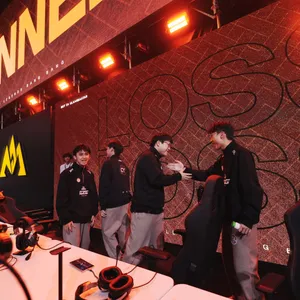
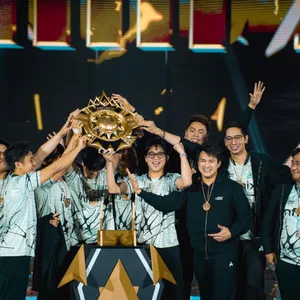
On 31 October, the MCT East Asia Ulaanbaatar stop concluded. The MongolZ defeated China’s GZG and DFYG to win the title and qualify for the M8 World Championship Main Stage in 2027.
From Counter-Strike 2 to Mobile Legends: Bang Bang, a country of just over 3.5 million people is nurturing another generation of esports players.
From the square at dawn to school breaks
In Mongolia, The MongolZ has become more than a professional team.
The MongolZ general manager, Ozy, told People’s Esports that some local students gather during breaks to watch the team’s matches. Videos of the watch parties have spread widely on social media. For the club, seeing its matches become an everyday topic among young people has been striking.
Mongolians’ relationship with Counter-Strike long predates The MongolZ’s international success.
Munkhbat, of Unitel’s Media Business Strategy Division, said Counter-Strike had reached Mongolia through internet-café culture more than two decades ago. Many of the young people who played in those cafés have since started families and have less time for games. The MongolZ’s international results brought many of them back as esports viewers.
Munkhbat is also a longtime Counter-Strike player. He played often when he was younger, then gradually had less time for games as work took over. Today, his two sons enjoy both Counter-Strike and Mobile Legends, and he sometimes plays with them.
From internet cafés to family homes, from fathers to children, esports has carried on in Mongolia for more than two decades. The MongolZ’s success gave people across generations a shared subject of interest. Supporters also began making player highlights, short videos and memes on their own, helping the team become part of young people’s everyday culture.
The MongolZ, however, spends much of the year travelling in Europe and elsewhere, gaining experience in the highest level of CS2 competition. That career path produced an elite team, but it does not automatically create a comparable tournament system at home.
Meanwhile, young people in Ulaanbaatar have built a community around another game.
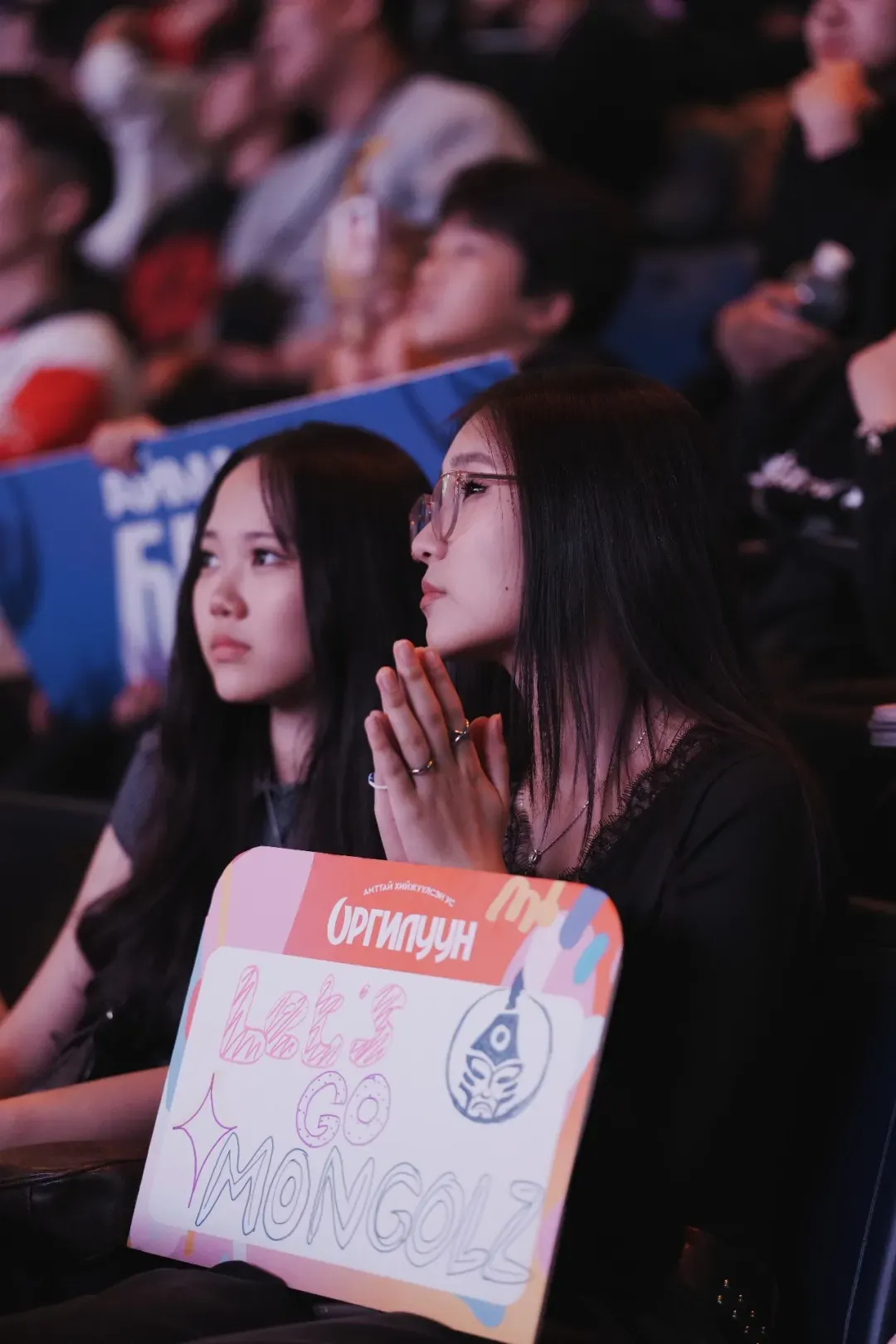
A The MongolZ supporter at the MCT East Asia Ulaanbaatar stop.
Mongolia covers more than 1.5 million square kilometres but has a population of only a little over 3.5 million. Nearly half live in the capital, where young people, schools and commercial activity are concentrated. That concentration creates distinctive conditions for game culture to spread.
Mobile Legends has grown in this setting.
Unlike PC games that require dedicated equipment and a particular venue, mobile games make it easier for young people to team up with friends. A match lasting around 10 to 15 minutes can fit into a school break or a pause in work and daily life.
Munkhbat has seen students play Mobile Legends during school breaks. Some schools and companies have also begun organizing their own competitions. Counter-Strike attracts viewers across several age groups, while Mobile Legends draws more young players, with active participation from girls as well.
In Ulaanbaatar, Mobile Legends has become one way for young people to socialize, with competition beginning to reach schools, workplaces and daily life.
Ozy has noticed the generation gap too. The MongolZ’s CS audience includes people in their forties and fifties and even older fans, while Mobile Legends supporters are markedly younger. For a club seeking long-term growth, entering a new title also means connecting with Mongolia’s next generation of players.
This is not simply a shift from PC to mobile games.
Counter-Strike has a deep player culture in Mongolia, and The MongolZ’s results have broadened esports’ social reach. Mobile Legends, with its easier access, is helping more young people move from watching competition to playing it themselves.
After hundreds of teams register, Mongolia needs a season-long calendar
Having a team that once reached No. 1 in the world does not mean Mongolia already has a mature domestic esports industry.
Before 2026, Mongolian Mobile Legends competition relied mainly on open tournaments.
The entry barrier was low. Some online events attracted hundreds of registered teams. Players with enough ability could form a roster with friends and use open qualifiers to compete for a place at a higher level.
But hundreds of registered teams are not the same as hundreds of professional clubs.
Many teams were still assembled by players themselves, without stable lineups, professional coaches or long-term training schedules. The number of clubs able to invest consistently remained limited, which also reduced the frequency of high-level domestic competition.
Mongolia’s geography creates another obstacle.
Mobile Legends esports has developed for years in Southeast Asia, where many established clubs and strong teams compete. Mongolia is far from the region, and network latency limits the value of online practice. Higher-quality scrims often require teams to travel abroad for boot camps.
Jungler Zxaura, now with The MongolZ, once paid out of his own pocket to take teammates to Southeast Asia to prepare for a world championship before he joined the club.
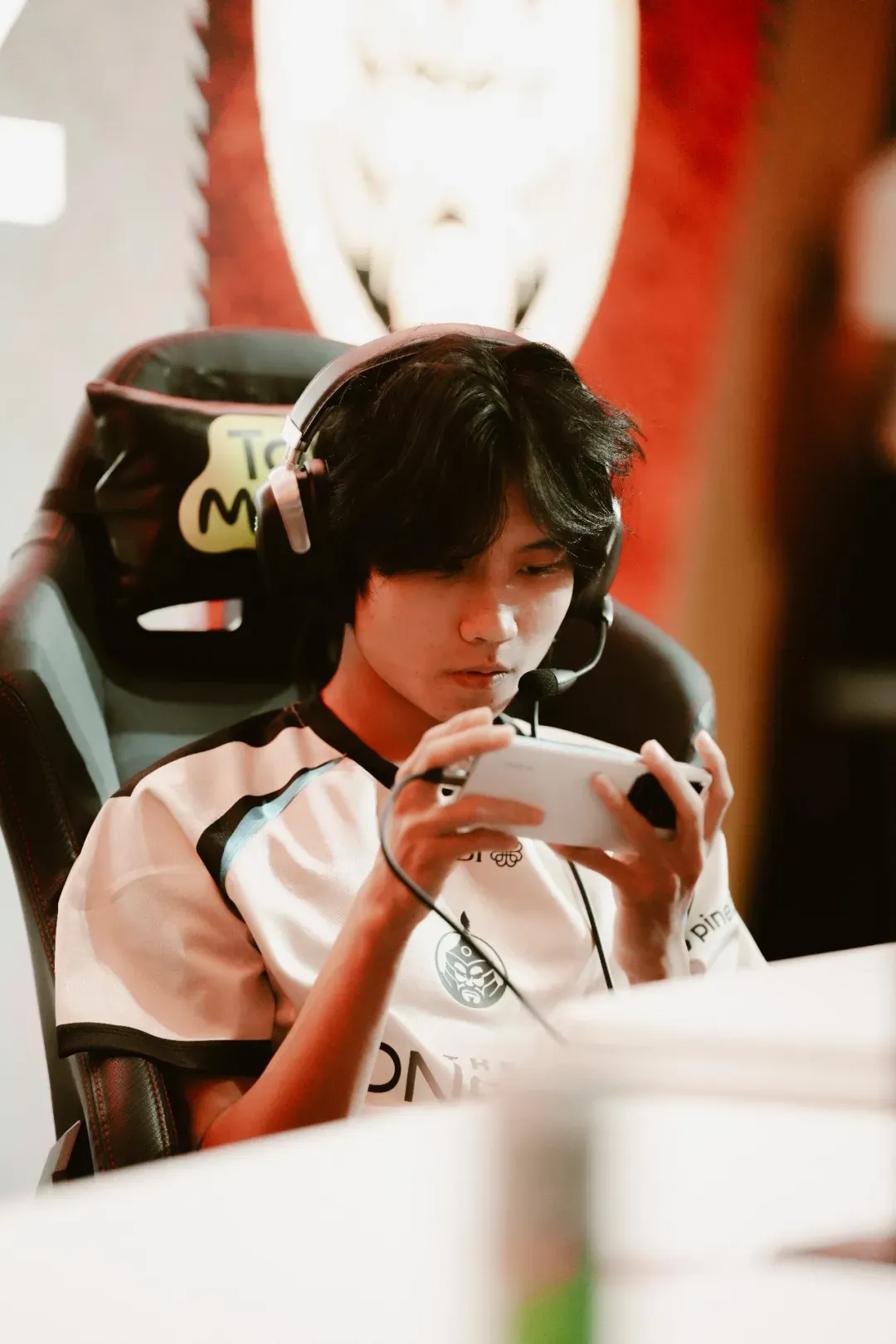
A Mongolian player competing in Mobile Legends on a phone.
For Mongolian players with few strong local opponents, overseas training is an important way to improve, but it adds financial pressure.
The MongolZ faces its own training challenges.
Ozy believes that Mongolia’s top Mobile Legends players may not be far behind international teams in individual mechanics. The bigger gaps lie in macro decisions, in-game leadership and experience against high-level opponents.
The club can draw on management experience from Counter-Strike and other titles, but the pace and tactical demands of each game differ. Building a training system suited to Mobile Legends and securing more international practice opportunities remain ongoing challenges.
Ozy also described a feature of Mongolia’s professional scene: players tend to know one another. Because the market is small, many of the strongest players are familiar to each other, making it relatively easy for clubs to scout. But a concentrated talent pool also makes it difficult to sustain several teams of similar strength that can compete over time.
The MongolZ has a relatively established organization and brand, but other teams may not have the same resources. Keeping more clubs involved over the long term is one of the questions Mongolia’s professional scene must address.
The local tournament operator eSports Network (ESN) has also begun building a more consistent competition system.
ESN is part of Mongolian telecom company Unitel, whose businesses include communications, media and entertainment, and sports-event production. In October 2023, ESN began working with MOONTON on Mobile Legends events and continued increasing its investment.
In September 2026, Mongolia held its first full Mobile Legends league.
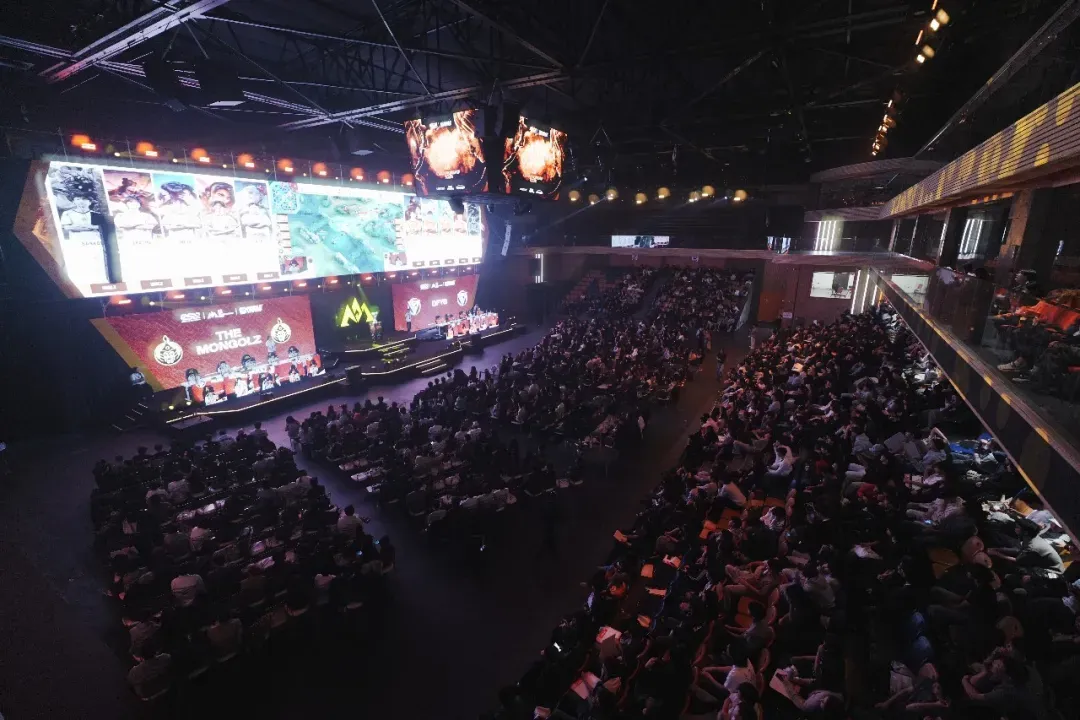
The MCT East Asia Ulaanbaatar audience.
Eight teams took part in the inaugural season, with six qualifying through open qualifiers. After the regular season and playoffs, The MongolZ defeated The Akatsuki 4–2 to win the title.
Compared with one-off open tournaments, a league gives clubs a fixed calendar around which they can organize training. Players gain experience through recurring matches instead of waiting for the next high-level opportunity after each event ends.
For Munkhbat, a stable competition platform is a prerequisite for clubs, players and other participants to keep investing. Only when tournaments continue can young people see more opportunities for a professional career.
Ozy sees the change from a club’s perspective. Previously, even players who won domestic Mobile Legends competitions might not know what came next. As the domestic league becomes linked with regional events, players can plan their careers around clearer goals.
But a stable calendar does not solve the commercial challenges.
Mongolia’s domestic market is small, making it difficult for professional clubs to operate on local sponsorships and tournament prize money alone. Even The MongolZ distributes most prize money to players, while the club relies mainly on sponsorship and merchandise revenue to fund its operations.
Building a sustainable business model is harder still for new teams without international visibility.
Mongolian esports may therefore be poorly served by simply copying the large professional-league models of China or Southeast Asia. After establishing a domestic league, the next question is how a limited number of professional clubs can get a dependable schedule while also facing stronger international opponents.
From Shanghai to Ulaanbaatar, a small market can compete for a world-championship place
In May 2026, MCT East Asia first came to Shanghai.
China’s GZG beat The MongolZ 3–1 to win the May stop. Five months later, the circuit moved to Ulaanbaatar. The Grand Final introduced an industry-first “Immortality Armour” mechanic, giving the upper-bracket winner an extra chance to fight back.
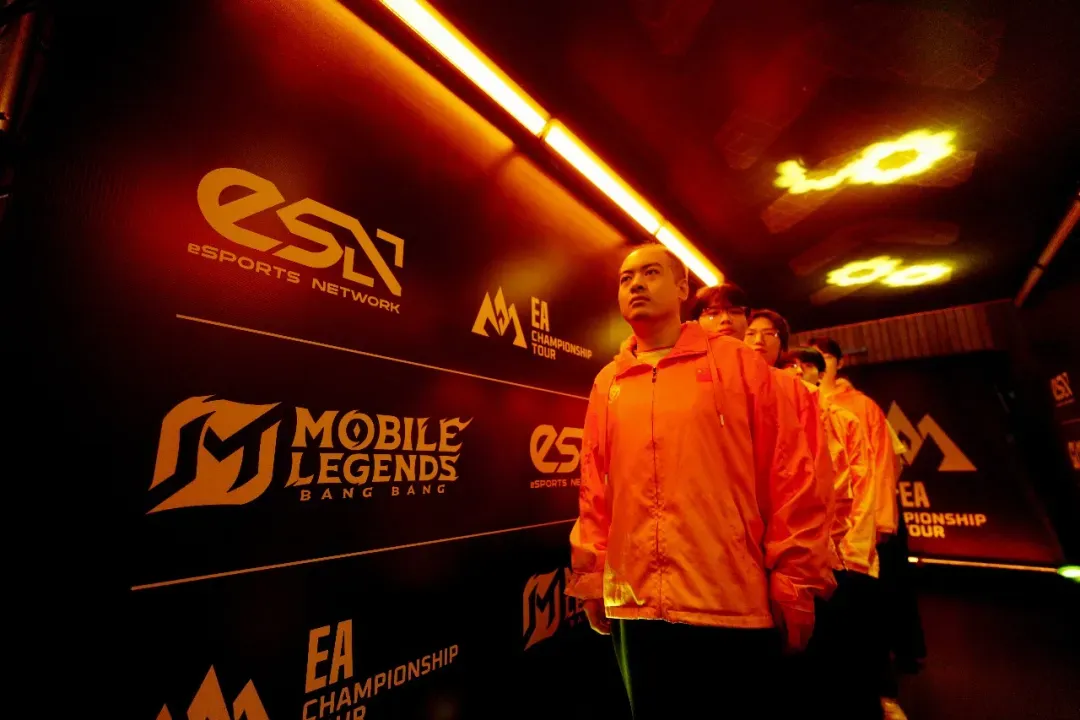
Participants entering the MCT East Asia Ulaanbaatar venue.
This time, the title went to Mongolia. Coming from the lower bracket, The MongolZ drew level with DFYG and then moved ahead. They were first to reach four wins, triggering the “Armour Break” mechanic, and ultimately won 5–3.
More significant than the change in champion, however, was that the two stops gave professional teams from different markets consecutive chances to meet.
Previously, Mongolian players often had to earn one of a limited number of places through domestic events to reach high-level international competition. MCT East Asia brought teams from China, Mongolia, Japan and South Korea into one regional competition system, where they could face opponents from other markets.
The Ulaanbaatar stop also became the first MCT EA event directly connected to qualification for the M Series World Championship.
The MongolZ qualified directly for the M8 World Championship Main Stage in Istanbul in January 2027. Runners-up DFYG and third-place GZG advanced to the Wild Card in Bangkok in December 2026 to keep competing for a Main Stage place.
From the domestic league to the East Asia circuit and then the world championship, Mongolian players now have a clearer route through the competition system.
The domestic league gives young players regular match experience. Regional events let strong teams face opponents from other markets and compete for international qualification. Even with a limited number of professional clubs at home, a regional system can bring more Mongolian players into international competition.
That route differs from The MongolZ’s growth in Counter-Strike.
In the CS2 circuit, The MongolZ reached the top of the world by competing regularly in Europe and elsewhere. For most young Mongolians, moving directly from domestic play into that international circuit remains difficult.
Mobile Legends is trying to create a step-by-step professional route through links between the domestic league, the East Asia competition and the world championship.
Regional events also give Mongolian teams more chances to face different styles of play. They cannot fully replace overseas boot camps or directly solve the shortages in club funding, coaching and talent depth. They do, however, let local players experience stronger opposition in official competition.
This year, MOONTON and ESN have also begun trying to bring people from other esports titles, clubs and content communities into Mobile Legends. MIO AHP, which competed in Ulaanbaatar, included a Counter-Strike content creator from Mongolia in its team-building work.
In a market with relatively few professional clubs, participants arriving from other esports titles could create new opportunities for teams beyond The MongolZ.
At the same time, international events hosted in Mongolia give its esports scene another way to connect with the world.
In the past, The MongolZ was more often the team travelling abroad to compete. Now teams from China, Japan and South Korea are also coming to Ulaanbaatar.
At the MCT EA Ulaanbaatar opening ceremony, traditional Mongolian long-song singing and dance were part of the show. The traditional ankle-bone game shagai was also adapted into a team-branded keepsake and used as part of the event’s activities.
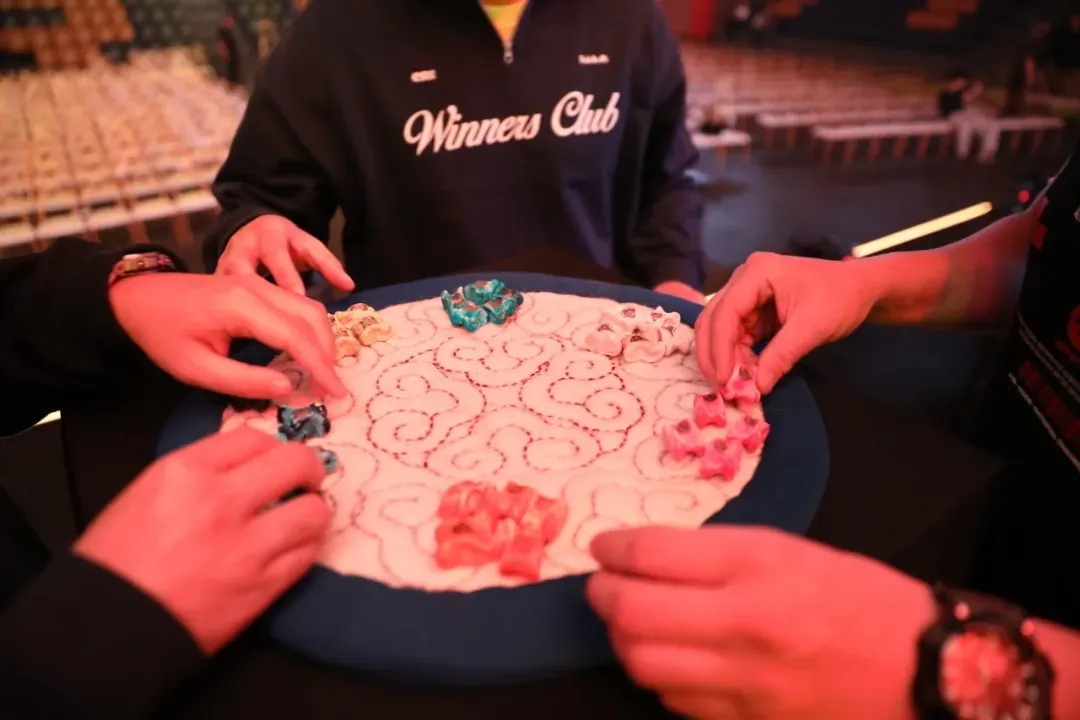
Visitors try the traditional Mongolian game shagai at the event.
Munkhbat hopes Mongolia will not only develop outstanding professional players but also host more international esports events. ESN’s continuing investment in local event production is intended to build that capacity over time.
From a CS team ranked No. 1 in the world to hosting an East Asia Mobile Legends event, Mongolian esports is building two ways to connect with the world. Top players can introduce Mongolia through international results; local game communities, leagues and regional tournaments can give more young people a chance to compete internationally.
The MongolZ has shown that Mongolian players can stand on esports’ biggest stages. For more fans, the path from a mobile match during a school break to a domestic league, MCT East Asia and M8 is becoming clearer too.