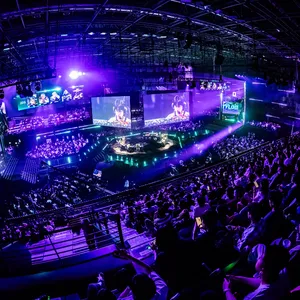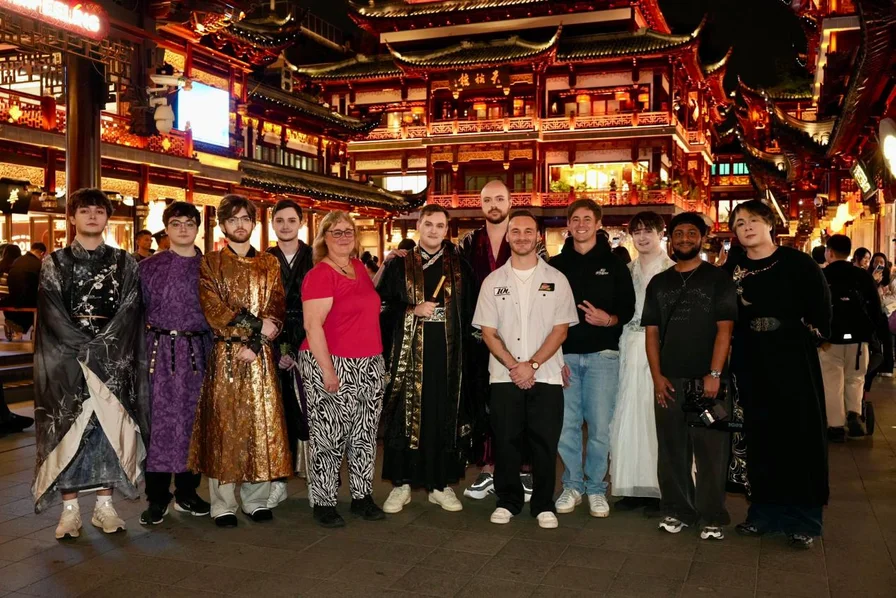
In summer 2025, Sean Gares was invited back to 100 Thieves as the club’s head of FPS. This was not his first time at the organization. In 2022, he had coached its VALORANT team. The club also asked whether he would consider becoming general manager, but he said he wanted to stay on the front line of training and competition.
Three years later, he returned to a familiar organization. At first, 100 Thieves wanted his help building a Counter-Strike team. As the work progressed, his responsibilities also expanded to the VALORANT program.
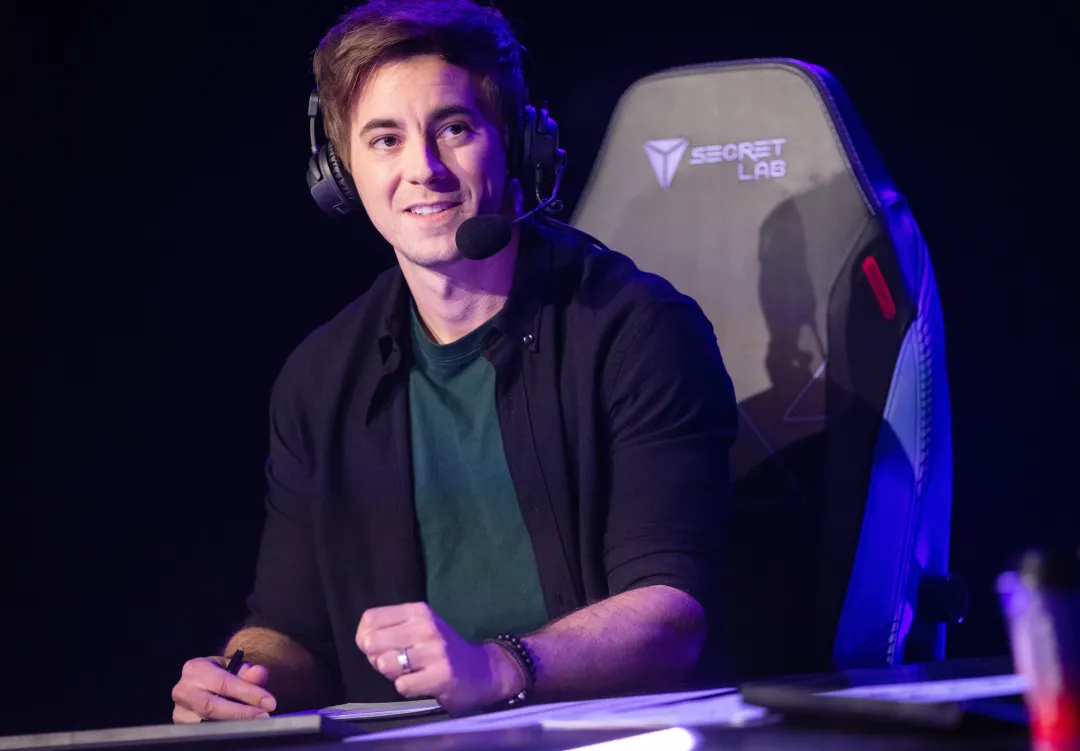
The team had just finished a season that left the club dissatisfied: 100 Thieves had missed both Masters and Champions that year. The club asked Gares to speak with players individually, understand what they had experienced over the previous year, and offer specific adjustments.
“After those exit interviews, I didn’t want to keep the old culture going. The way the team had approached practice had accumulated a lot of trauma.”
The club then asked whether he would put those recommendations into practice himself. Gares eventually agreed. Those conversations marked the start of his role in the rebuild. His remit grew beyond practice and competition to include roster construction, the training system, and finding a balance between preparation, rest and commercial activity.
Where to start a rebuild
The end-of-season conversations gave Gares a clearer picture of what the team had been through. In his view, the club needed to change more than the roster: its working methods and team atmosphere also had to change.
He had a clear idea of how to assemble a team.
“Pick the head coach first, then work with the coach to find the in-game leader. Once you have the in-game leader, you can find the rest of the players.”
After years as an in-game leader and a head coach, Gares knew a coach’s job went well beyond drawing up tactics. When something went wrong in scrims, coaches had to decide how to speak with players, when to be firm and when to help a player regain confidence.
That was what stood out to him about 100 Thieves’ current head coach, Nbs. Gares saw someone who set clear expectations while understanding the players’ point of view. Nbs explained what he wanted and why, while bringing players into utility setups and tactical design. That helped them understand why a strategy worked the way it did and how to execute it in a match.
Once the head coach was set, Gares looked for an in-game leader who could lead alongside Nbs. Nbs had worked with vora for a long time while coaching at TSM, and the two had developed a similar way of thinking about the game. That existing rapport mattered to Gares, so vora became his first choice for the role.
Still, the young player had to show Gares he could lead at a higher level. During tryouts, Gares posed specific match scenarios and followed up on the answers.
“Say we’re on Haven. A player gets killed by an opponent pushing up from Garage, and we lose map control. What do you do next? If another 30 seconds pass, where might the opponents be? Why do you think that?”
Gares wanted to see whether vora could think quickly, make decisions with confidence and explain sound reasoning. Vora passed the test.
Only after choosing the leader did Gares consider how to put the rest of the roster together. Individual skill was essential, but the team also needed different personalities. Timotino brought energy: even in São Paulo, surrounded by fans supporting LOUD, he would stand up and cheer. Asuna used jokes to ease tension, while Cryocells offered calm, steady and clear communication.
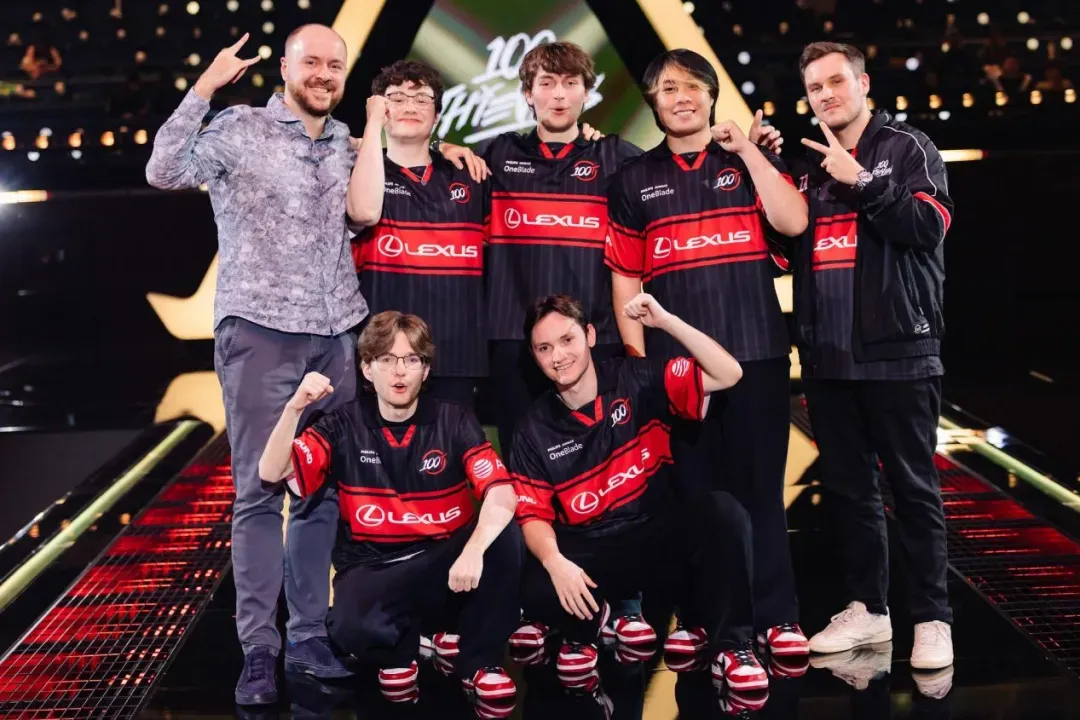
The team practiced together every day and had to face losses together, too. Qualities that never appear on the scoreboard, such as a player’s personality and the team’s atmosphere, can still determine whether a roster holds together over time.
The people outside the spotlight
In Gares’ view, a complete team needs more than excellent coaches and players. It also needs support in psychology, data analysis and day-to-day operations. Part of his job was finding the right people and bringing them into the team.
Sports psychologist Michelle joined after the first stage had begun. From the start, she asked to sit in on scrims. She did not know the game as deeply as the coaches and players, but she understood how people communicate and helped players express themselves more clearly so teammates could understand and accept what they meant.
After practice, she organized activities where players could talk about the day’s work and how they felt about one another. They had a chance to say what was on their minds, and issues that had gone unnoticed could be resolved through conversation. The players cooperated with these sessions from the beginning.
“Some of the players’ anxiety comes from constantly worrying about what their teammates are thinking and what they will do next. Helping them deal with that and bring more of their attention back to themselves is where Michelle has had the greatest impact.”
Data analysis was another important part of the team’s training program. The team had a dedicated analyst and a set of tools that continued to improve. Analyst Nathan developed an internal data platform that organized weekly scrim information, giving coaches a basis for reviewing practice and evaluating lineups. The team also used an external platform from an AI company as a supplement.
Gares described how the platform could break down FUT Esports on Haven: where an opponent was most likely to attack, which routes it used and how it deployed utility. Coaches could quickly pull every sniper kill to see where opponents liked to hold an angle, or gather first kills and kills from the first ten seconds of rounds to alert players to likely sightlines and opening threats.
For individual mechanics, the team also brought in aim-training services. Trainers reviewed gameplay footage submitted by players, identified specific aiming problems and assigned targeted exercises. A player whose flicks down and to the left were sluggish, or whose tracking lagged behind a target moving across the screen, could work on those issues with tailored routines in software such as Aimlabs.
Different staff members also supported the team’s daily operations. Team manager Marti handled match-day plans, travel and practical matters. Patty, who worked on the China social media team, and local events staff helped run operations and prepare the fan meeting. Content and commercial teams took care of filming with the team and sponsor work.
Gares repeatedly thanked those staff members. Many people, he said, contributed to 100 Thieves’ VALORANT program, and each of their responsibilities helped move the team forward. “We’re still working to improve the team,” he added.
Finding balance without losing ground
As the coaches, players and support staff came into place, Gares had to make sure their work fit together. Practice takes time, players need rest, and the club also has content shoots, sponsor commitments and fan events to deliver. He had to coordinate those demands from the team’s perspective.
When the team qualified for Champions, Gares was thrilled. But when he opened his phone, the group chat quickly filled with new content ideas: this could be filmed, that would be worth doing.
His first reaction was: “Wait, we still have to practice.”
Gares had been a player, coach and streamer and was now in management, so he understood why those activities mattered. He also knew the players needed full time to rest and prepare. On the Champions run, he deliberately protected match days and the day before from shoots and events. During the league season, if the team played on Sunday, he would usually give the players Monday off and schedule content for later, after talking it through with the coaches and players.
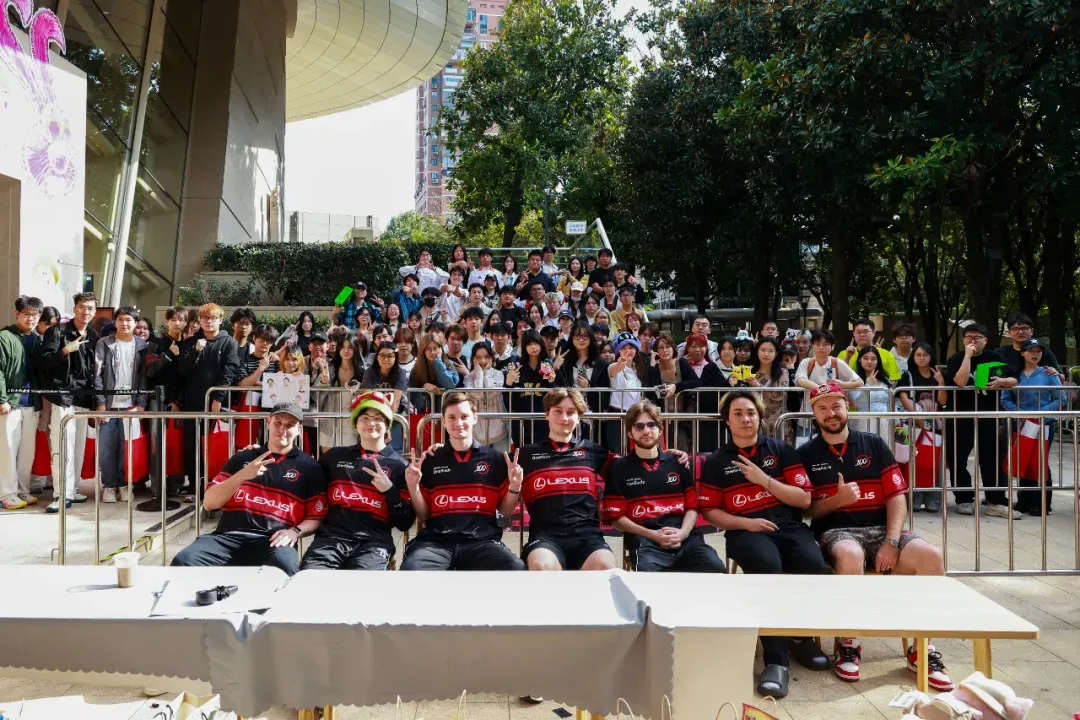
“It’s like walking a tightrope,” Gares said of that balance.
It also shaped his relationship with the coaching staff. He spoke with the coaches regularly to understand how the team was doing, while trying to leave specific competitive decisions to them. He worried that constantly watching practice and telling coaches what to do would erode their confidence in working independently.
“The coaches are the ones practicing with the players every day and building relationships. They know what the team is going through and understand the situation better than I do. If they start thinking about how to make me happy, then I’ve failed,” Gares said.
He tried to give coaches room on specific practice decisions, but was willing to help when the team needed someone to get things done.
Before a fan meeting in Shanghai, Gares prepared the event with the China-based staff. He bought the bags and stayed up late the night before filling each red gift bag. After the event, I asked in surprise, “Even handing out gifts to fans is your job?”
To Gares, those were tasks he could do himself. If the team needed something, his position was no reason to push it onto someone else.
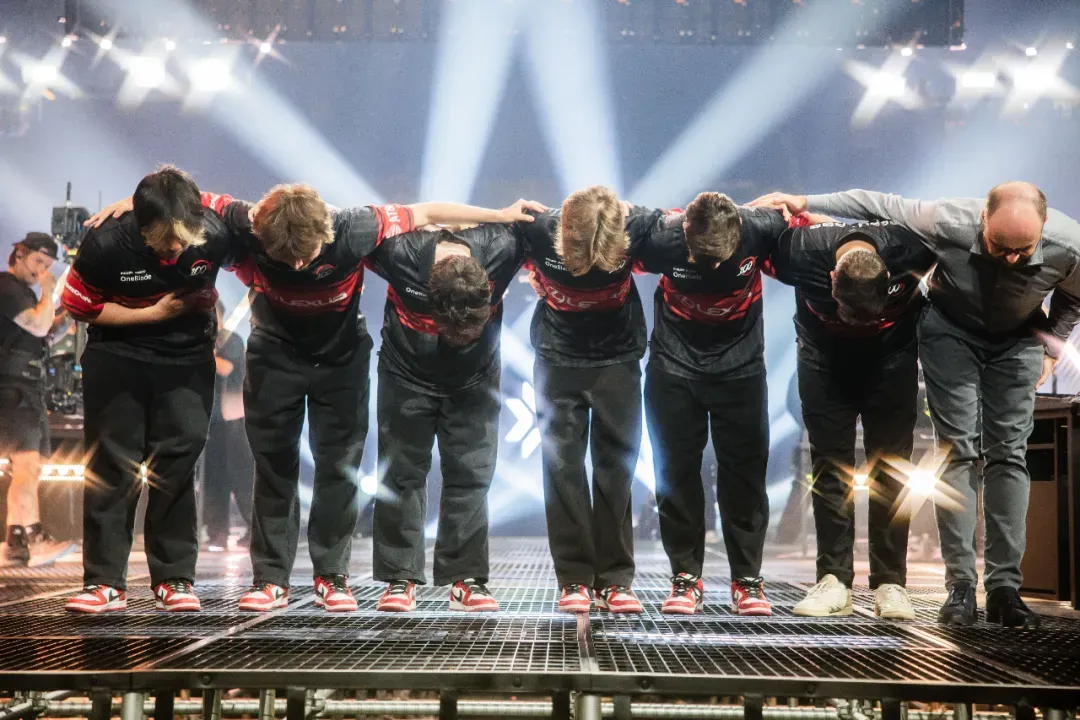
Through the work of Gares and the rest of the team, the rebuilt roster finished third in Shanghai at Champions Shanghai 2026. It did not reach the final, but after three straight years without qualifying for Champions, 100 Thieves had won the EWC VALORANT title in 2026 and returned to the world championship stage. The season had brought clear progress.
In his final interview at Champions Shanghai, vora reflected on the year: “For someone like me, coming up from the lower leagues and having a lot to learn, this kind of support system made things so much easier. Everyone put in 110% every day in practice and scrims to work on their ideas and playstyle, without getting in my way. Having this kind of working environment is a real blessing.”