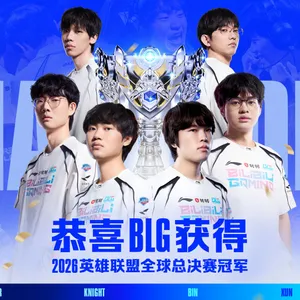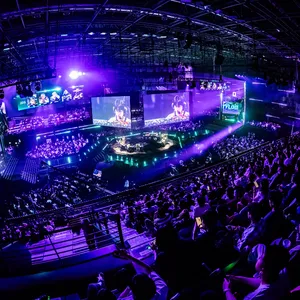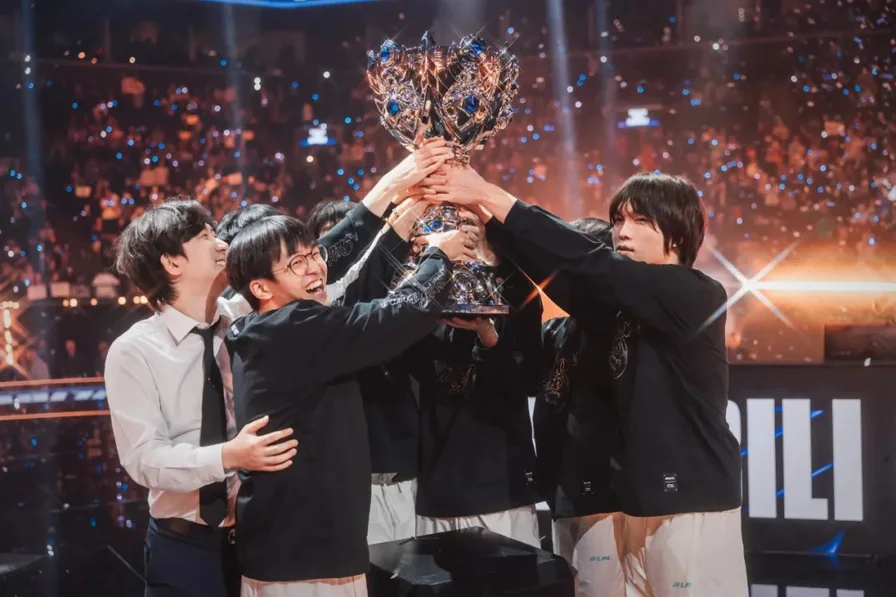
Early on November 15 Beijing time, BLG beat Gen.G 3–1 in the 2026 League of Legends World Championship final in New York, lifting the Summoner’s Cup for the first time. It was the LPL’s first Worlds title in five years.
BLG beat four teams from the LCK on its way to the title: HLE, DK, T1 and Gen.G. That unusual run made BLG one of the most closely watched teams at this year’s Worlds.
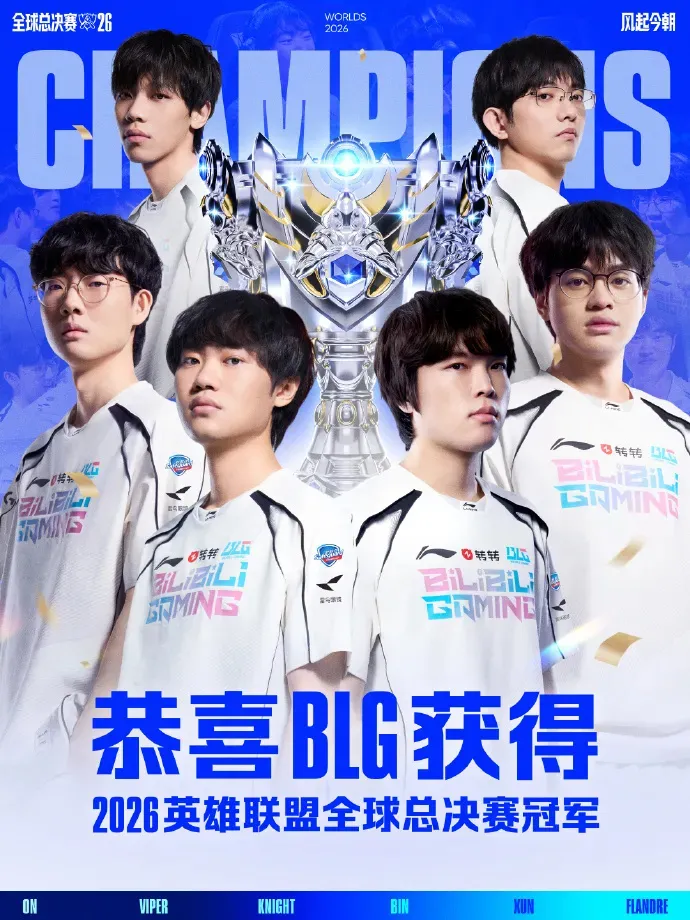
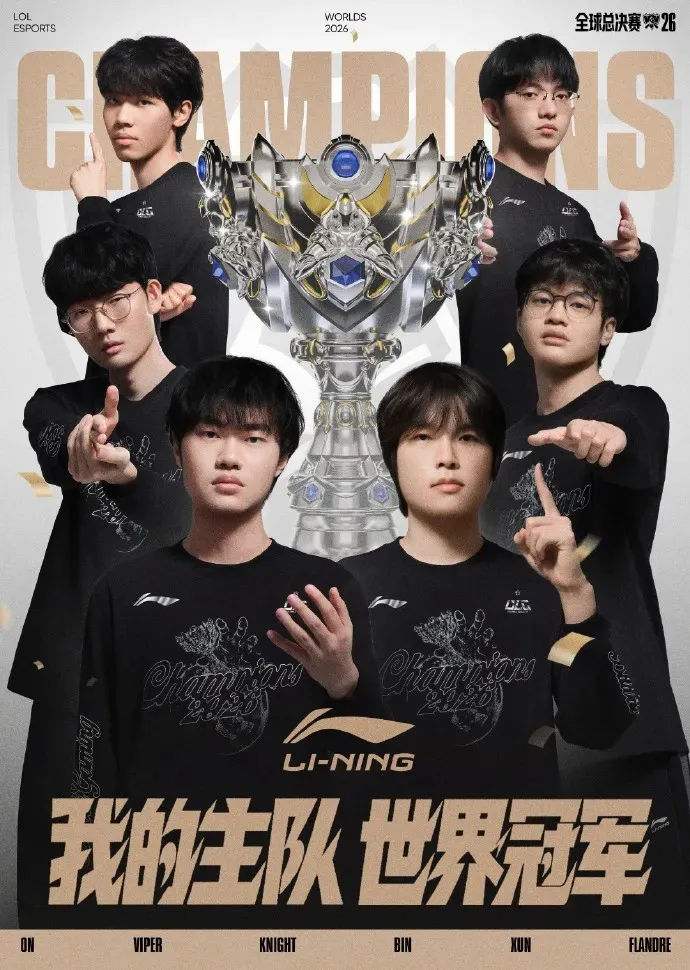
A poster celebrating BLG’s 2026 League of Legends world title.
Away from the arena, businesses were running esports campaigns of their own.
For long-standing partners such as Logitech G and the secondhand marketplace Zhuanzhuan, the title put years of collaboration in the spotlight. Fans were quick to buy Li-Ning’s commemorative championship T-shirt. And thousands of kilometers away in China, hundreds of cinemas scheduled early-morning screenings just for the match.
“We didn’t see it coming either. From where we were standing, the cinemas went wild,” a member of the screening team said in the original report. As demand grew, some cinemas kept asking for extra screenings, and the staff coordinating the livestream equipment worked flat out for days.
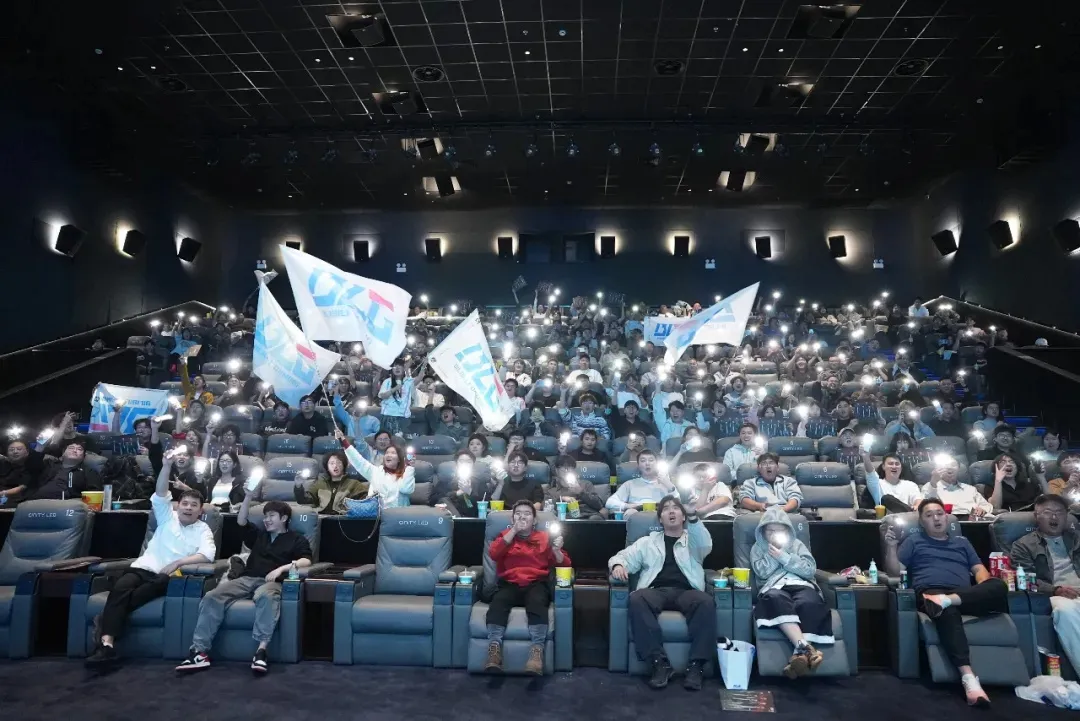
Cinema spectators hold up team flags and light up their phones.
From gaming gear and e-commerce to sportswear and cinema operations, the same victory had different effects for different businesses.
From a favorite mouse to a champion’s gear
On November 14, ahead of the final, Logitech G posted a message cheering on BLG that singled out their “four years side by side.”
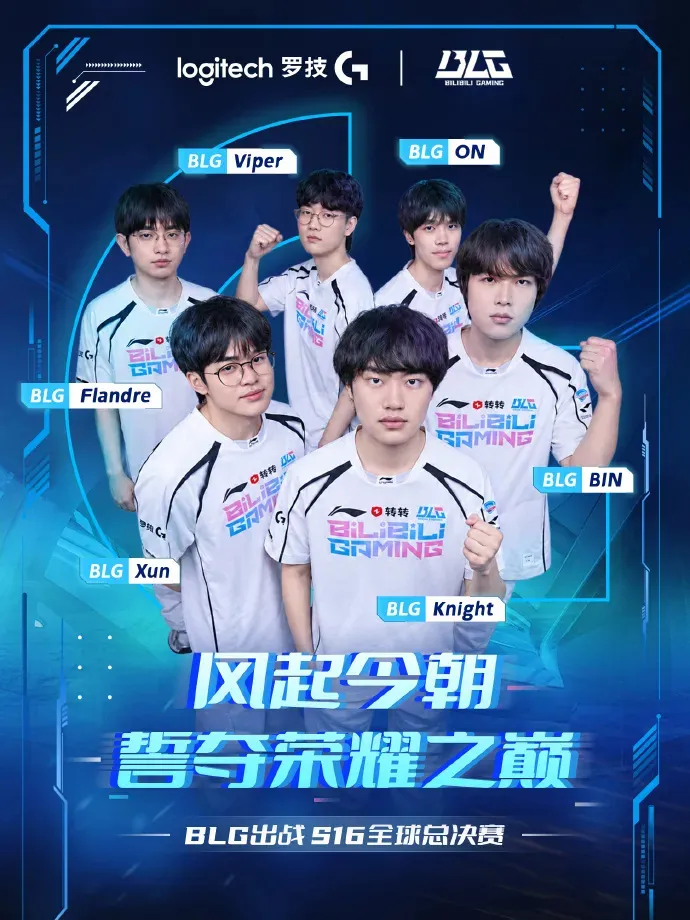
Logitech G’s Worlds poster cheering on BLG.
While some campaigns started only shortly before the final, Logitech G and BLG had worked together for years. The relationship included team sponsorship and gave professional players a role in developing products.
In an earlier interview, Chris Pate, identified in the original report as Logitech G’s chief product officer, said the brand had long worked with Chinese esports clubs including BLG. It wanted to understand what players actually needed from mice, keyboards and other equipment in training and competition, then incorporate their feedback into product development.
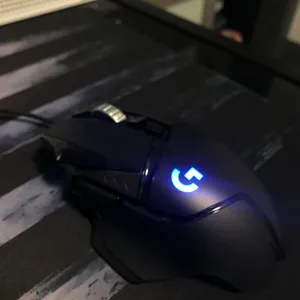
BLG support player ON has used the wireless GPW3 mouse from the brand’s Treasure color range since Worlds 2023. He has replaced it several times over the years, always opting for the Lugu Blue colorway. It is one example of how closely Logitech G attends to individual preferences alongside the demands of professional competition.
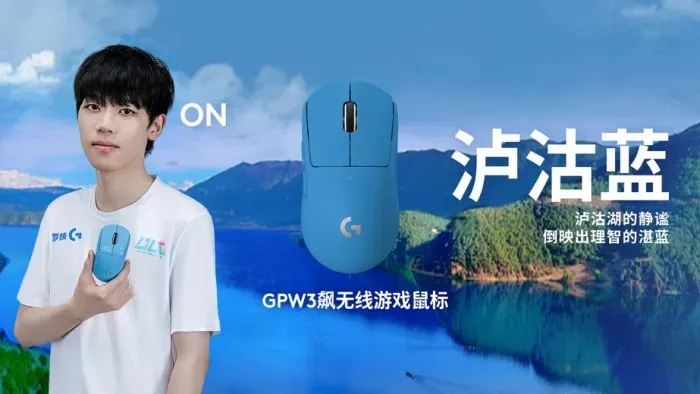
ON with a wireless GPW3 mouse in the Lugu Blue colorway.
The same approach carried over to later products.
Take the PRO X SUPERLIGHT 2c mouse. Logitech G says it worked with teams including BLG and more than 75 professional esports players during development to get feedback on the mouse’s size, grip and handling.
Professional esports players use mice, keyboards and other peripherals in training and competition every day. It often takes extended hands-on use to identify the subtle ways a product’s performance interacts with a player’s habits.
That gives esports equipment brands a more direct relationship with professional clubs than a typical endorsement deal. Players use the products and can help develop them.
The relationship is easiest to see in the gear players choose. Logitech has long aimed to build equipment that feels right to top players. Several BLG players, including Viper and ON, used Logitech G peripherals at this year’s Worlds. Viper won the title with the new GPW5 ULTRA mouse, putting that design goal on display.
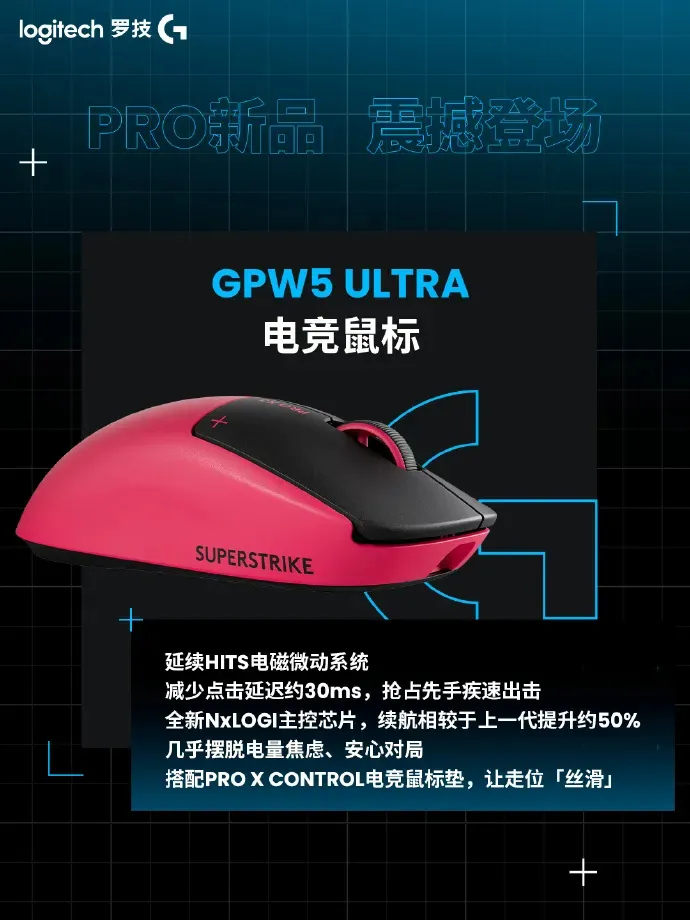
Logitech G promotional art for the GPW5 ULTRA gaming mouse.
For specialist esports gear, seeing a professional use a product is itself an important way to reach the people who might buy it.
In recent years, Logitech G has continued to build its PRO line around professional players’ needs, using team partnerships, events where people can try the equipment and in-person activities to bring it to everyday players. The business relationship between equipment brands and clubs has grown from sponsor visibility to encompass product development, use in competition and retail sales.
After BLG won, Logitech G congratulated the team on its official account and ran a Worlds 2026 gaming gear promotion with JD.com, tying the products used by the players to the excitement around the title.
The victory gave Logitech G more exposure and a fresh chance to show what those years of product collaboration had produced.
Zhuanzhuan’s fan jokes deliver a win for both sides
The secondhand marketplace Zhuanzhuan is another long-time BLG sponsor. Ahead of Worlds 2024, it ran with the slogan “Competition first, Zhuanzhuan second,” shooting several ads with actors wearing masks of BLG players. The idea was to let a “secondhand stand-in team” do the commercial work, leaving BLG to train and compete as usual and respecting what fans wanted. Fans remixed the ads and turned them into a meme.
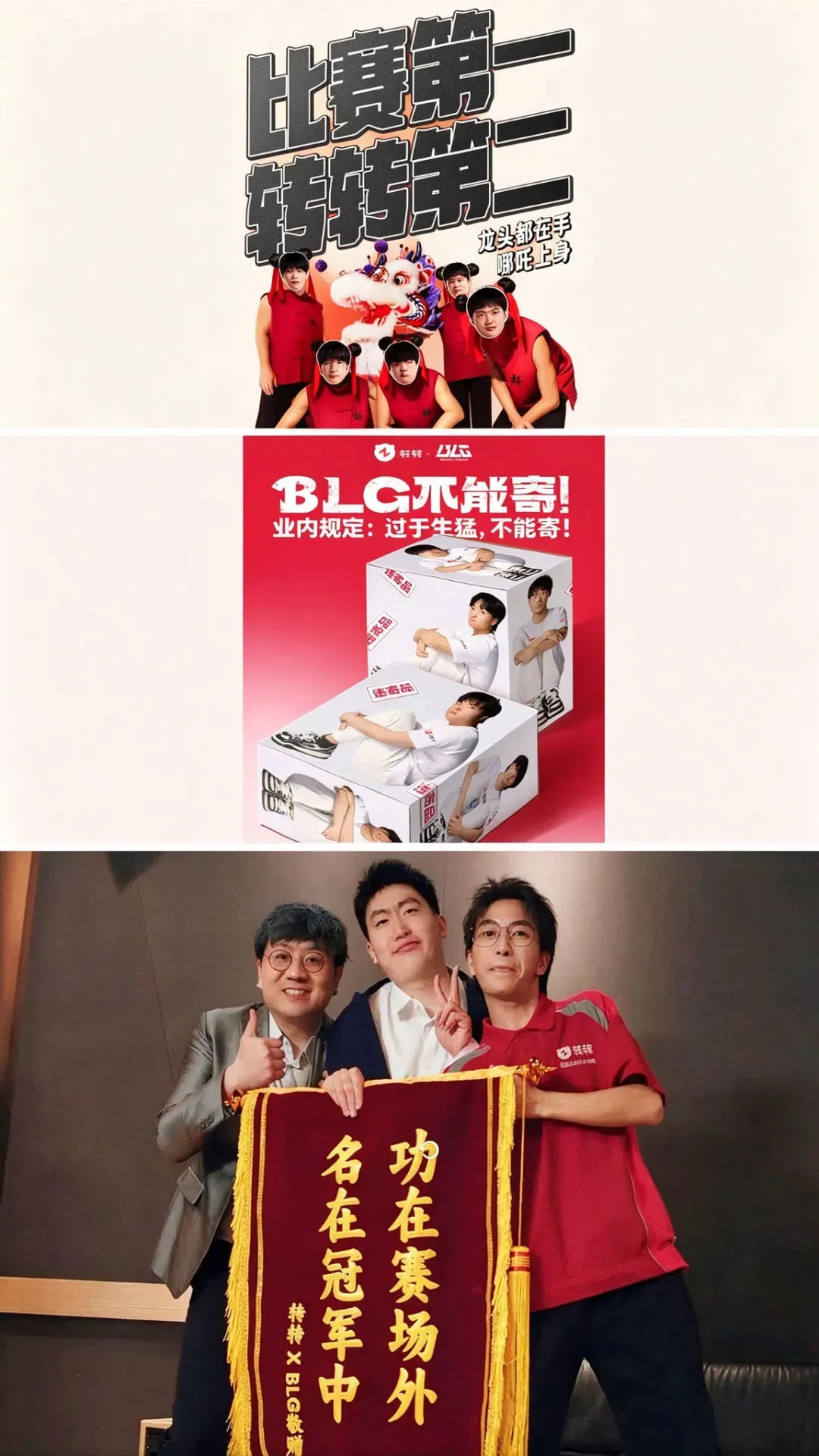
A collage of Zhuanzhuan’s campaigns in support of BLG.
In 2025, Zhuanzhuan again avoided taking up the players’ time with extra filming. It went a step further to give fans what they wanted and avoid jinxing the team, launching the slogan “BLG can’t take the L” (BLG不能寄). The joke drew on “GG” as a sign of defeat and on the Chinese word 寄, gaming slang for being done for that also means “to mail.” Everyone who appeared to cheer for BLG came from outside esports, including people in logistics and delivery.
This year Zhuanzhuan leaned into the superstition and tried a reverse jinx. It asked esports personality Guan Zeyuan, known among fans for jinxing teams with his predictions, to wish teams from outside the LPL good luck. The joke was that backing BLG’s rivals would help BLG. It spawned another line: “BLG, this is as far as Zhuanzhuan can take you.”
After years of investment and campaigns built around fan jokes, Zhuanzhuan and BLG’s supporters got the result they wanted. Downloads of Zhuanzhuan’s app rose sharply on iOS and Android after the win. Both the business and fans had something to celebrate.
A T-shirt to remember the win
For Li-Ning, the commercial payoff showed up more directly in product sales.
Li-Ning entered a long-term partnership with the LPL in 2023 as its official sporting goods partner and an official licensee for sports apparel. It has released professional team uniforms and co-branded clothing for different clubs.
Interest in the merchandise kept rising as BLG advanced at Worlds.
Jiemian News reported that a Li-Ning × BLG windbreaker, priced at CNY 699 at launch, sold out through official channels before the final began. Data from the resale platform Dewu showed that its average transaction price rose to nearly CNY 1,500 as BLG progressed.
That resale premium does not translate into a corresponding rise in revenue for the brand. It does show demand for merchandise tied to a particular team.
After the win, BLG and Li-Ning released a commemorative championship T-shirt. Sales of the shirt have already passed 10,000 units. Events differ in market size, pricing and sales windows, but demand for esports championship merchandise is approaching, and in some cases exceeding, demand for co-branded products in traditional sports.
A poster showing BLG players wearing Li-Ning’s commemorative championship T-shirts.
For fans, buying a championship T-shirt is a way to mark the win as well as a clothing purchase.
For sportswear brands, esports offers more opportunities to connect with customers, from team uniforms sold during the season to commemorative items sold after the event.
Worlds at the cinema, at 3 a.m.
For brands such as Logitech G and Li-Ning, the win drew attention to gear and apparel. Cinemas found a different opportunity in bringing fans together to watch the match.
The New York final started at 3 a.m. Beijing time on November 15. In cities across China, young fans went to cinemas to watch it live.
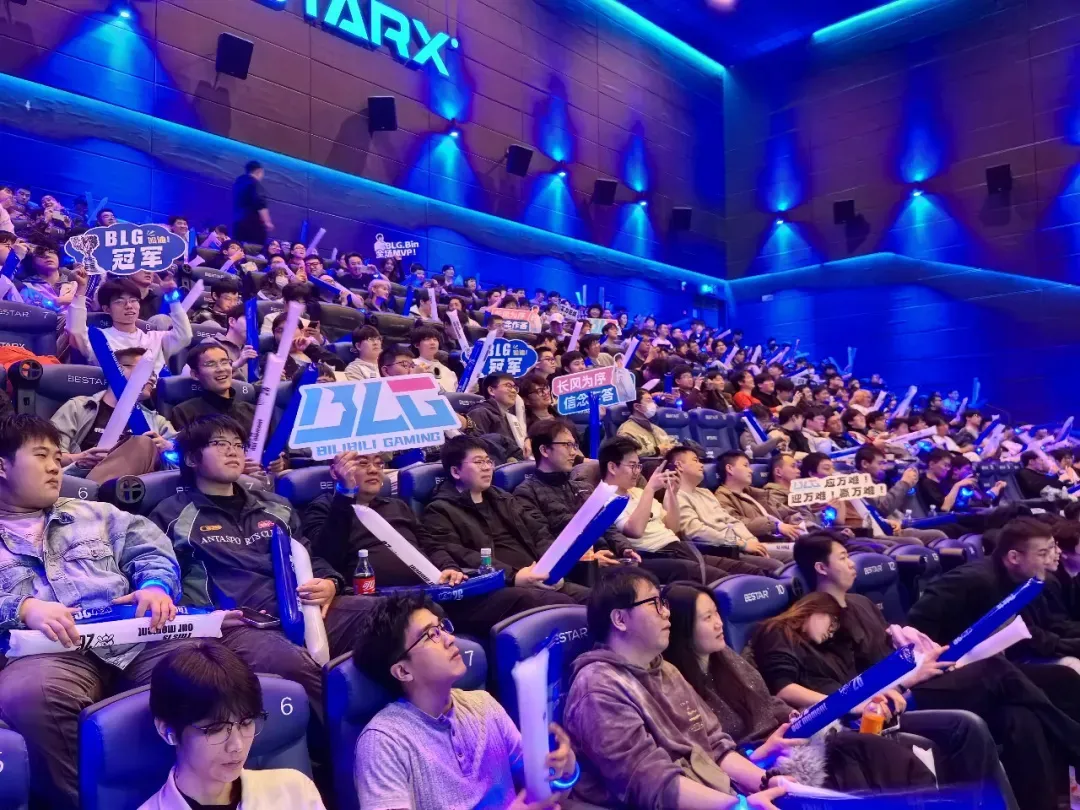
Cinema spectators wave light sticks during a watch party.
According to the official League of Legends esports announcement, the Worlds cinema watch parties covered more than 110 cities and more than 300 cinemas in China, with over 2,000 screenings announced.
The start time was hardly convenient for viewers in China, but ticket sales at some cinemas still exceeded expectations.
National Business Daily reported that 19 Ruyi Cinema locations in northeast China alone put on 29 live screenings of the final and sold 5,734 tickets. Occupancy exceeded 95% at 21 screenings. Some cinemas put in repeated requests to add showings after the original ones sold out.
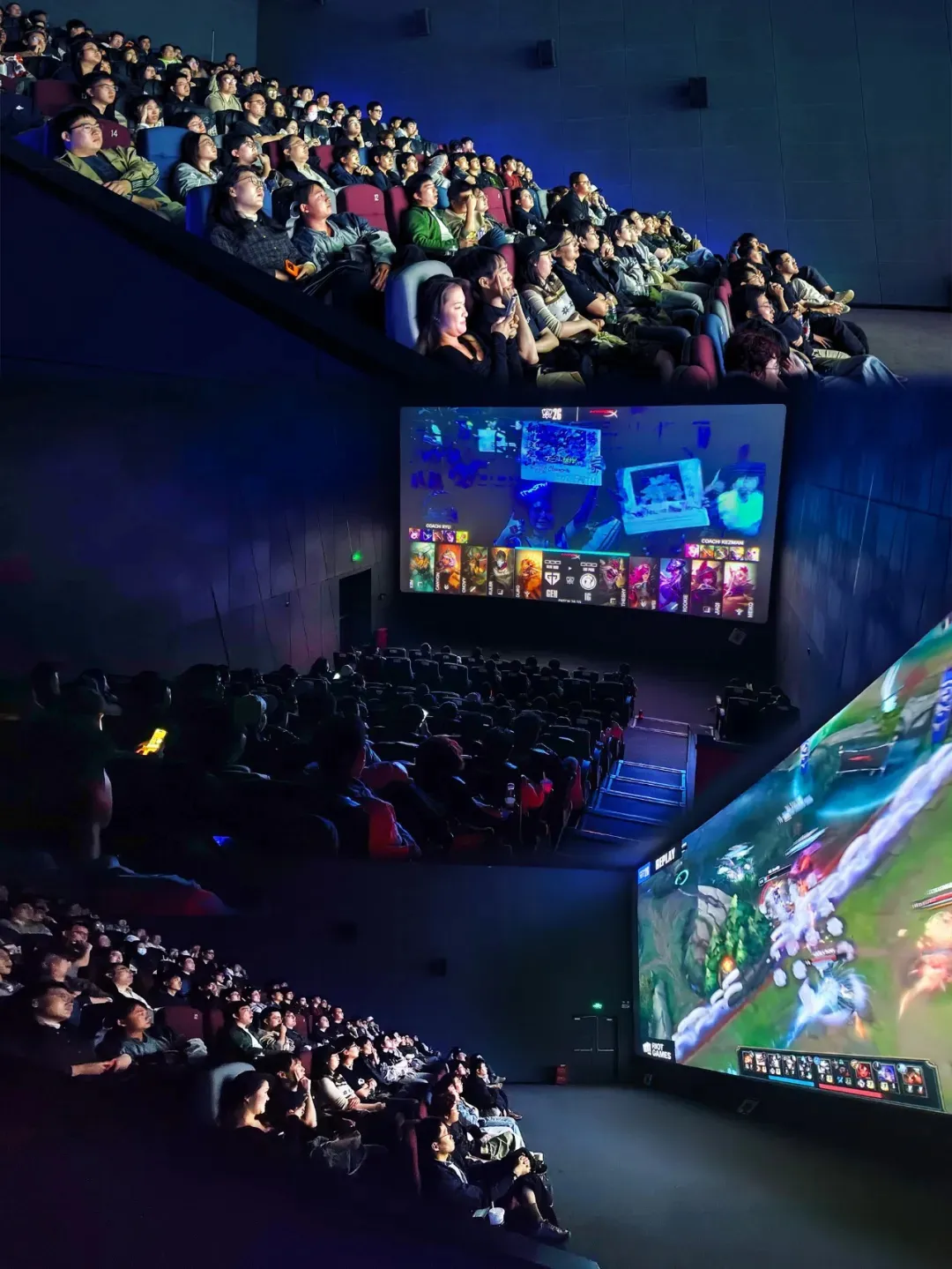
The match on a cinema screen, alongside views of the audience.
In Chongqing, a CINITY cinema visited by a Shangyou News reporter sold all 299 tickets for the match. The livestream also brought in extra sales of drinks, popcorn and food.
This is a different kind of purchase from a regular cinema ticket.
People can already watch a match live on a phone or computer, but some will still pay tens of yuan for a ticket and head to the cinema in the early hours to watch with fellow esports fans.
For cinemas, that means new customers and a source of business beyond screening films.
China Film and others in the movie industry had begun exploring esports screenings before this year’s Worlds.
Esports has become a relatively established category for live cinema screenings. It has a recognizable fan base and a strong capacity to organize and run in-person events.
Bringing esports to cinemas takes more than putting the livestream on a big screen.
Unlike a conventional film screening, where the file is ready beforehand, an esports event needs several hours of live signal transmission. That places extra demands on network reliability, playback equipment and on-site support.
To meet those requirements, China Film’s cinema services operation worked with China Unicom to install dedicated networks at cinemas that could support the technology and provide devices built to receive and play live feeds.
The equipment can be used for esports, concerts, sporting events and other live screenings. During an event, the technical team has to balance picture quality against signal stability according to the cinema’s network conditions.
China Film is also exploring higher-quality live signals and presentation for premium auditoriums. CINITY and CINITY LED screens, for example, offer different picture quality, brightness and viewing experiences from conventional auditoriums, giving cinemas more ways to show live sports and esports.
China Film News previously reported that China Film’s cinema services platform handled both live broadcasts and screenings booked in advance. The platform had also run trials of 4K, HDR, surround sound and high-bitrate streaming at cinemas equipped to handle them.
The difference between going to a cinema and watching at home could therefore extend beyond screen size to better picture and sound and a more participatory experience.
Cinemas are also trying to limit their risk by setting a minimum number of advance bookings. Each cinema can set its own threshold. A screening goes ahead only if enough people book. That helps cinemas match showings to demand and limit losses from empty auditoriums.
Esports can also drive sales of popcorn and drinks at the cinema and bring business to restaurants elsewhere in the same shopping complex.
In earlier interviews, China Film staff described other ideas they had tried, including photo spots for fans, prize draws, giveaways of fan gear and booths selling club merchandise.
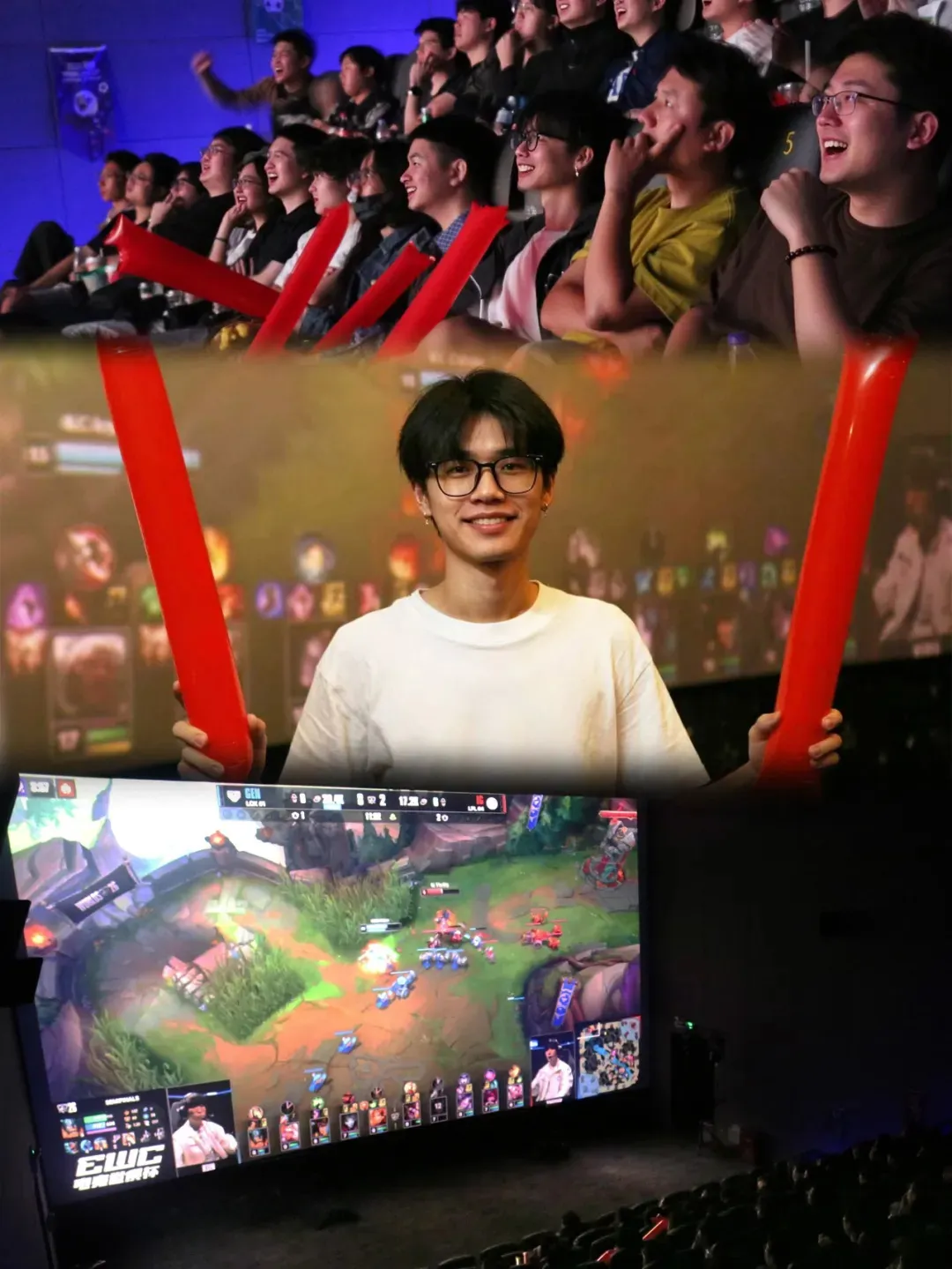
A cinema watch party collage showing fans, cheering sticks and the live match.
For cinemas, the purpose of these experiments is both to earn more from an individual event and to get audiences used to coming to theaters for something other than a film.
The turnout for BLG’s win suggests that the technology and practices cinemas had developed can now serve larger esports audiences. For China Film and the participating cinemas, the match may have said more about the long-term prospects for esports screenings than about the box office for a single night.
One championship, different ways to take part
BLG’s title gave more kinds of businesses a chance to show how they approach esports marketing.
One campaign that drew attention came from RayNeo, a partner of BLG’s League of Legends division.
In October, RayNeo launched a promotion for its limited-edition GT Max bilibili AR glasses. Under the terms of the promotion, anyone who bought the product within the qualifying dates would receive a full refund if BLG failed to win Worlds 2026, with no need to return the glasses.
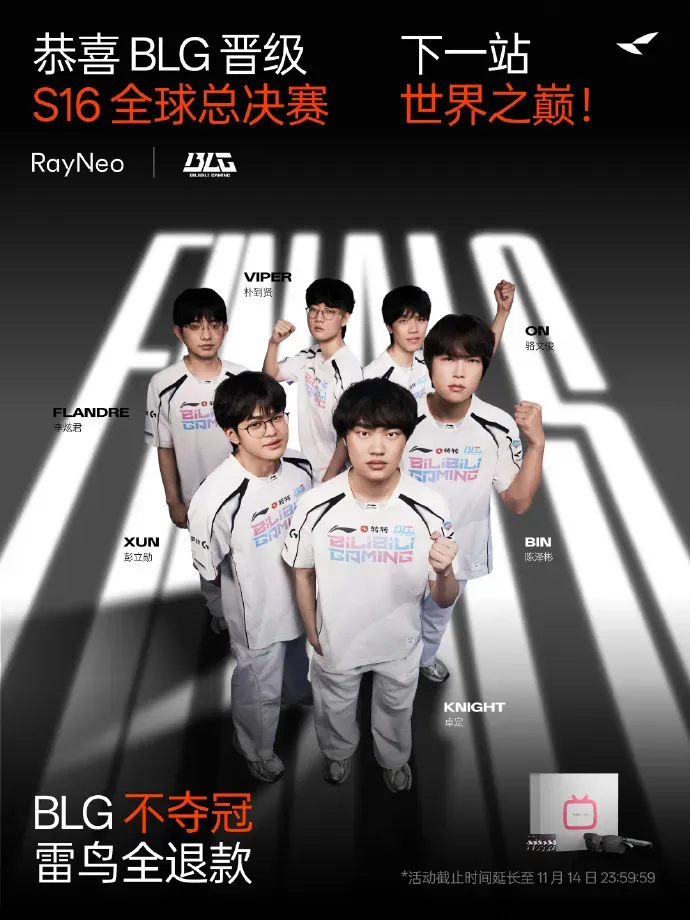
RayNeo’s promotional poster offering a full refund if BLG did not win the title.
The promotion tied a product purchase directly to BLG’s results. It got esports viewers talking about a product they might otherwise have overlooked.
When BLG won, RayNeo announced that it would put all sales revenue from the limited edition into the BLG esports fund to support the team’s future development. It also announced that buyers would receive additional commemorative membership benefits.
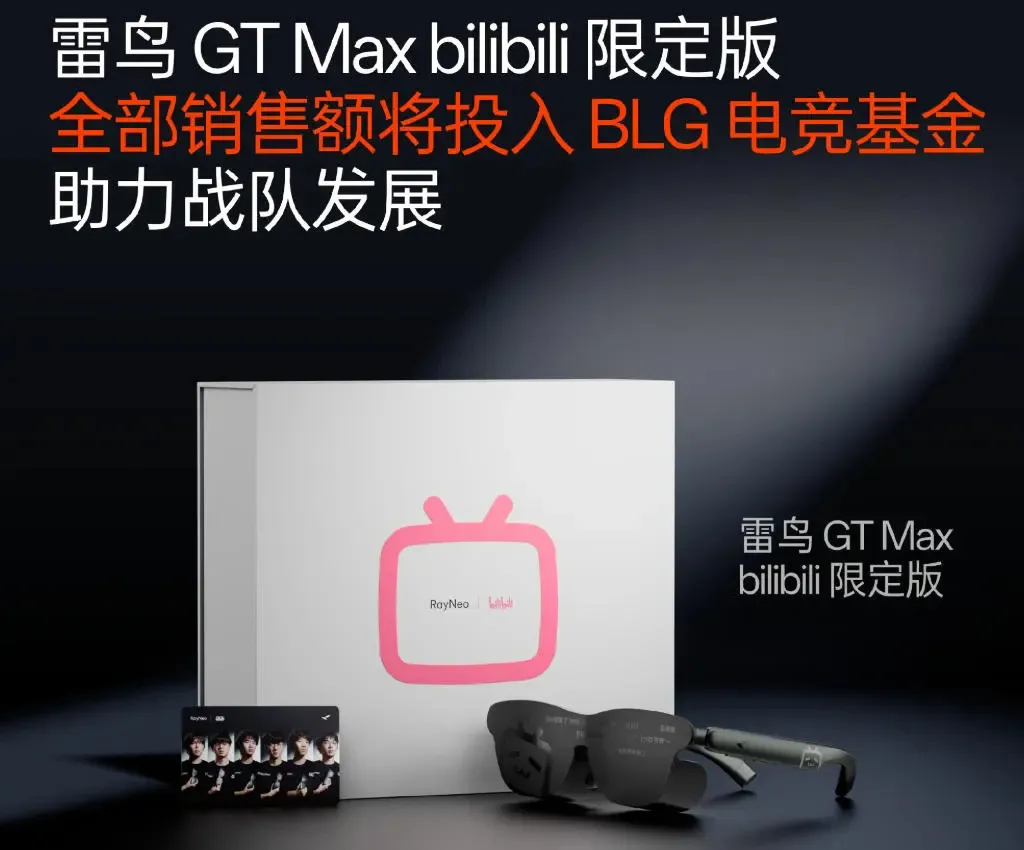
RayNeo announces that all limited-edition sales revenue will go to the BLG esports fund.
RayNeo used the match result to make consumers active participants in a promotion, a step beyond conventional sponsorship. Whatever the final sales figures, the approach gave people a reason to keep talking about the brand throughout Worlds.
Bilibili, the platform behind BLG, had a different business rationale.
Bilibili said more than 20 million people watched BLG win on its platform and viewers posted more than 3.3 million on-screen comments during the livestream.
After the win, Bilibili announced it would give users seven days of premium membership. So many tried to claim it at once that the redemption page temporarily struggled to handle the traffic.
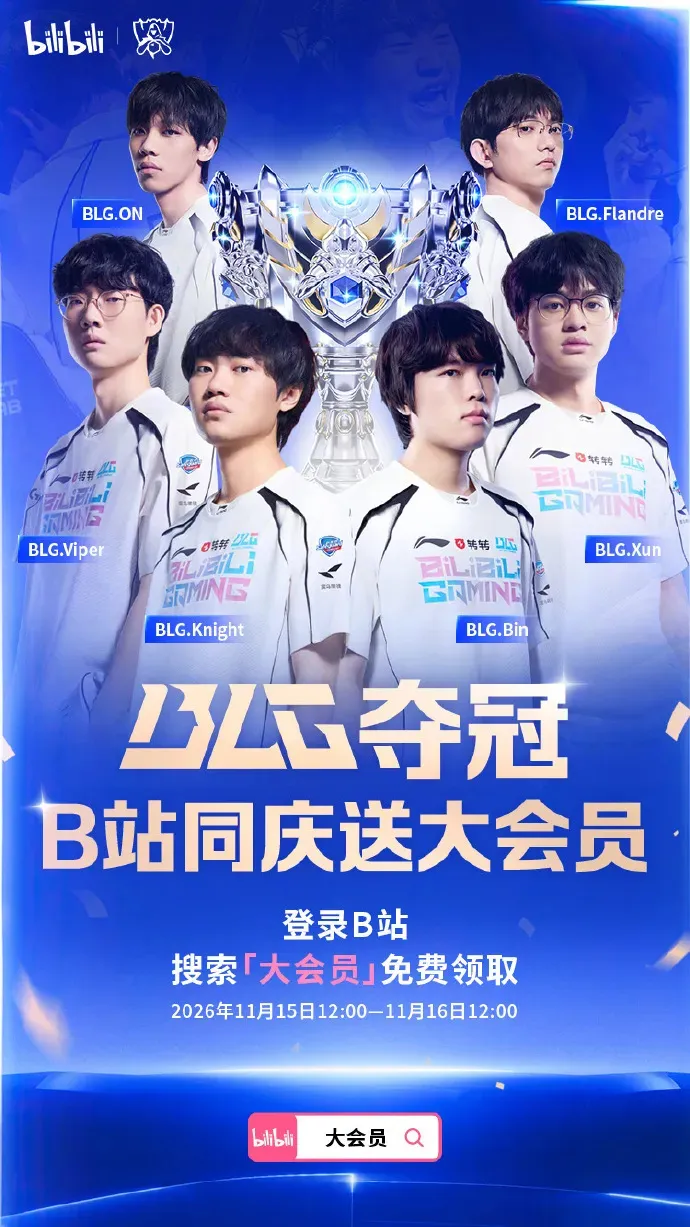
Bilibili’s poster celebrating BLG’s title with a premium membership giveaway.
Bilibili had previously offered a promotional membership through an outside livestream shopping platform, with the offer tied to whether BLG won Worlds. It was a way to turn attention to the tournament into spending on memberships.
For Bilibili, BLG is an esports club and an asset closely tied to the platform’s content business. Match broadcasts, content from players, fan creations and promotions can continually reinforce one another.
Looking across these examples, different businesses got different returns from the same trophy.
For a hardware brand like Logitech G, the value was in feedback from professional play on product design and usability, and in the brand recognition that comes with a long partnership. Zhuanzhuan put itself in the fans’ shoes and appealed to their feelings throughout its campaigns. Li-Ning translated fan support into purchases of sportswear and championship merchandise. RayNeo used the tournament to get people talking about its product. Bilibili connected the team’s results to platform content and memberships. China Film and the cinemas that took part found new audiences and business opportunities.
These different approaches show that esports can deliver commercial value beyond tournament sponsorship or visibility in a livestream.
Of course, the attention that comes with a championship is never guaranteed.
At the start of a sponsorship, no brand can guarantee the team will win. How much merchandise sells, how widely a campaign spreads and what cinemas earn from screenings all depend on such factors as the team’s results, the size of its fan base and the spending environment.
The key for commercial partners is to use long-term partnerships to connect events, products and places where people spend, so they can serve real demand when a win draws attention. Sharing in the excitement after the fact only goes so far.
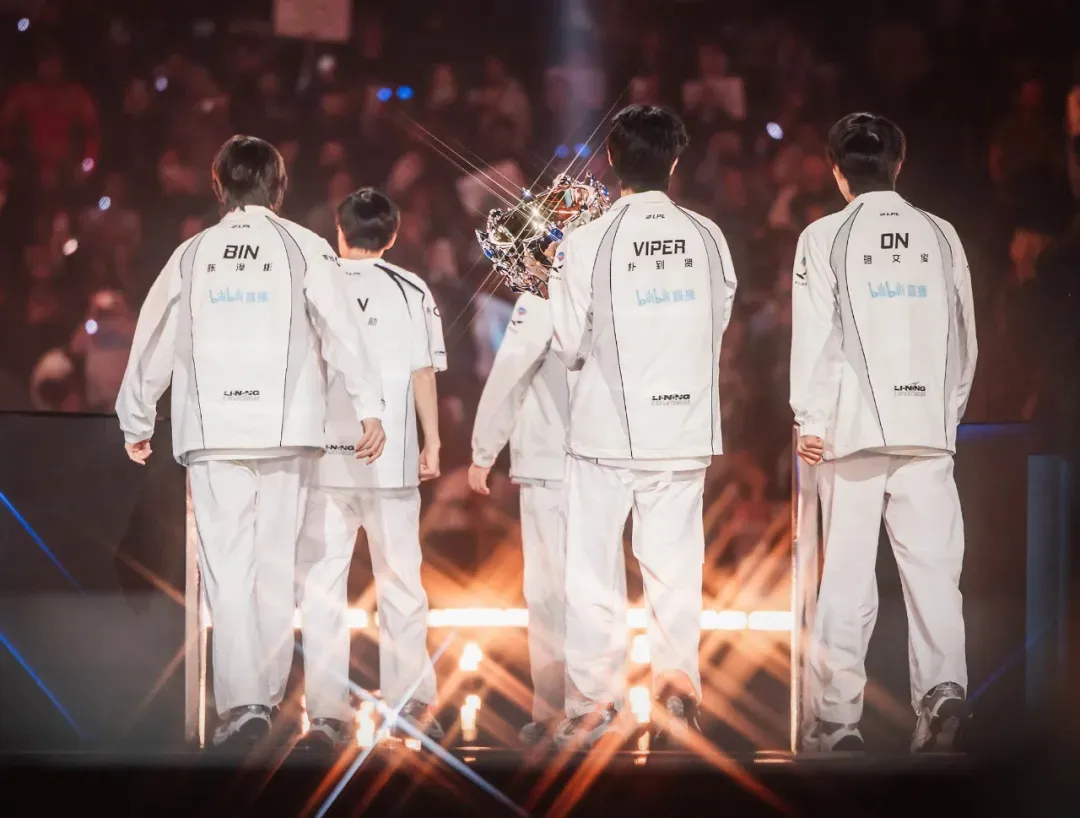
BLG players onstage in team apparel.
In the early hours of November 15, BLG ended its Worlds 2026 run with a Summoner’s Cup.
Away from the arena, some people started paying attention to the equipment professional players use, while others discovered a marketplace specializing in secondhand trade-ins. Some bought a championship T-shirt. Others walked into a cinema in the middle of the night to cheer for the same team alongside strangers.
Those purchases and choices away from the arena may tell us more than exposure figures alone about what esports is bringing to its business partners.